Showing posts with label troller. Show all posts

Hoisting A 1965 Mustang To The Roof Of The Empire State Building [Retro]

Hoisting A 1965 Mustang To The Roof Of The Empire State Building [Retro]When Porsche put its Panamera on the 94th floor of the Shanghai World Financial Center, we thought it was pretty clever. Turns out Ford did the same with the Mustang, some 44 years earlier.


Unlike the Panamera lift which took place in a burden elevator with a complete automobile, Ford took by one’s self their Mustang and shipped it in pieces, by way of a people elevator, to the observation deck of the Empire State Building, then reassembled it.
The stunt was dreamed up by the operator of the Empire State Building and Ford happily jumped at the chance to publicize it’s even now wildly successful Mustang. Just goes to show how clever ideas aren’t unceasingly new ones.


The Mustang atop the Empire State Building


In October 1965, with the Ford Mustang the hottest-selling car in America, the general comptroller of the Empire State Building had a great idea – to pageant a Ford Mustang on the 86th floor experience deck of the iconic Manhattan landmark.


Officials at Ford agreed and dispatched a crew to copy was troubled measurements of the skyscraper’s doors, hallways and elevators. They determined that a white convertible Mustang could be disassembled into four mere sections and transported – along with many smaller pieces – up to the building’s 86th floor in elevators to be reassembled.


Three dry runs performed in Dearborn to make sure it would work. Then, at 10:30 p.hotch-potch. on Oct. 20, a Ford crew in curled white overalls began taking the car apart outside the building on 33rd Street.


It all ran smoothly until the crew discovered the steering column was one-quarter-inch too tall for the elevator. Some careful maneuvering was done and through 4:30 a.m., the reassembled car was on the outdoor observation deck and ready to be photographed from a helicopter.


But that wasn’t the end of the stunt. Later that sunrise, the car was taken apart another time and moved interior the glass-enclosed observation area that is surrounded by the outdoor deck.


Many of the building’s visitors were surprised and delighted to find a Mustang there and assumed it had been lifted into place by a helicopter.


Five months later, on March 16, 1966, the car was disassembled for the in conclusion time and removed from the building.


Since its debut in 1964, over nine million Mustangs have been sold but only one continually made it to the top of the Empire State Building.


-Leslie Armbruster, Senior Collections Archivist at Ford Motor Company


Hoisting A 1965 Mustang To The Roof Of The Empire State Building [Retro]


Hoisting A 1965 Mustang To The Roof Of The Empire State Building [Retro]


Hoisting A 1965 Mustang To The Roof Of The Empire State Building [Retro]

readmore...

Mosler MT900 GTR XX Twin Turbo Land Shark Revealed

Mosler MT900 GTR XX Twin Turbo Land Shark Revealed
Press Release

2009 MOSLER MT900
ENGINE SPECS:
381 CUBIC INCHES
2,500+ HP 10,000 RPM TWIN TURBOCHARGED TERROR
MULTI-FUEL SYSTEM: GASOLINE/METHANOL/HYDROGEN/ETHANOL
3.000" STROKE WITH 4.500" BORE
2-MOTEC M880 DIGITAL ENGINE MANAGEMENT SYSTEMS
IAD BILLET CNC BILLET ALUMINUM BLOCK
IAD CERAMIC ROLLER-BEARING CRANKSHAFT AND CAMSHAFT BEARINGS
IAD/BRYANT/KEITH BLACK 4330 KNIFE EDGED, ULTRA-LIGHT ROLLER-BEARING CRANKSHAFT
IAD CNC BILLET TITANIUM CONNECTING RODS
IAD/COSWORTH CERAMIC COATED FORGED PISTONS
IAD 4340 1.000" DIAMETER .300" WALL THICKNESS PISTON PINS
1/16-INCH CHILD’S & ALBERT CHROMOLY RINGS
IAD 4-VALVE BILLET CNC ALUMINUM/CERAMIC CYLINDER HEADS
IAD CERAMIC COMBUSTION CHAMBERS & EXHAUST PORTS; BERYLLIUM SEATS
IAD CUSTOM LASER CUT HEAD GASKETS, O-RINGED CYLINDER HEADS
IAD CUSTOM O-RINGED INTAKE MANIFOLD AND CYLINDER HEAD INTAKE SURFACES
IAD/JESEL TITANIUM ROLLER ROCKERS WITH SOLID TITANIUM GIRDLE
IAD/JESEL 3-PIECE .160" WALL TAPERED 9/16 "-1/2" MODULAR PUSH RODS
IAD/CROWER PINNED 1.000" DIAMETER ROLLER LIFTERS
IAD CERAMIC COATED 2.00" TITANIUM INTAKE VALVES, 1.75" INCONEL® EXHAUST VALVES
JESEL TRIPLE VALVE SPRINGS, TITANIUM RETAINERS, 4340 LOCKS
IAD BILLET CNC TITANIUM/CARBON VALVE COVERS, POLISHED
IAD TITANIUM ROLLER CAMSHAFT WITH CERAMIC ROLLER CAM BEARINGS
IAD/JESEL BELT DRIVE CAMSHAFT TO CRANK TIMING, WITH TITANIUM GEARS
IAD CNC BILLET TITANIUM/CARBON MACHINED TIMING COVER
IAD HARMONIC DAMPENER WITH INTEGRAL CRANK TRIGGER PICKUP
IAD BILLET TITANIUM/CARBON DUAL ELECTRIC WATER PUMPS
ALL TITANIUM ENGINE HARDWARE
INDUCTION SYSTEM:
IAD CNC CARBON FIBER/TITANIUM INTER-COOLED INTAKE MANIFOLD
4-INJECTORS PER CYLINDER (2) 150 LB., (1) 90LB., AND (1) 60LB.
2-WELDON 34706 6+ GPM MECHANICAL RACING FUEL PUMPS
2-AEROMOTIVE 16302 BILLET FUEL PUMP SPEED CONTROLLERS
4-WELDON A2047 SERIES, HIGH FLOW 10+ GPM BYPASS REGULATORS
2-OCTANE ON DEMAND SYSTEMS
2-IAD DIGITALLY CONTROLLED INTEGRAL FUEL PRESSURE REGULATORS, 2500 CFM
RUSSELL’S BRAIDED STEEL FUEL LINES WITH AN FITTINGS
2-88MM IAD/AEROTECH WATER COOLED CERAMIC BALL BEARING TURBO CHARGERS
2-IAD/MOTEC 65MM PROTOTYPE ELECTRONICALLY CONTROLLED WASTE GATES
IAD TITANIUM EXHAUST HEADERS, FLANGES, V-BANDS
IAD TITANIUM EXHAUST SYSTEM
IAD TITANIUM HI-FLOW CATALYTIC CONVERTERS, MUFFLERS, MOUNTS, HARDWARE
LUBRICATION SYSTEM:
IAD CNC TITANIUM DRY SUMP OIL SYSTEM CAPACITY = 20 LITERS
IAD/MOROSO 5-STAGE DRY SUMP OILING SYSTEM
IAD/MOROSO TITANIUM BILLET OIL PUMP DRIVE
RUSSELL’S BRAIDED STEEL OIL LINES WITH AN FITTINGS
2-IAD CUSTOM HI-VOLUME OIL COOLERS
IGNITION/ELECTRONICS SYSTEM:
IAD/MOTEC FUEL INJECTION SYSTEM
IAD/MOTEC M880 ENGINE MANAGEMENT SYSTEM (DUAL M880 UNITS)
IAD/MOTEC CRANK FIRED IGNITION SYSTEM
MOTEC ON-STEERING-WHEEL MOUNTED HORSEPOWER MANAGEMENT SYSTEM
IAD/MOTEC POWER CONTROL SYSTEM, VARIABLE FROM 800 TO 2,500+ HORSEPOWER
MOTEC ON-STEERING-WHEEL DIGITAL BRAKE BIAS CONTROL
MOTEC ON-STEERING-WHEEL ACTIVE SUSPENSION CONTROL
MOTEC ON -STEERING-WHEEL 12-STAGE DIGITAL FUEL INJECTION CONTROL
IAD/MOTEC CARBON FIBER DIGITAL STEERING WHEEL WITH INTEGRAL DIGITAL CONTROLS
IAD PROTOTYPE 8-SPEED PADDLE SHIFTERS, WITH QUICK-RELEASE
MOTEC PIT-LANE SPEED CONTROL BUTTON
CUSTOM ALPINE 7.1 DOLBY DIGITAL A/V/DVD/MOTEC EMS DISPLAY
LOWRANCE GPS WITH FRONT, REAR, SIDE, 360 DEGREE SKYTM RADAR TRACKING SYSTEM
IN-CAR PCTM MOBILE INTEL CORE 2 DUO 2.33 GHZ
3.5G MOBILE INTERNET 7.2 MBPS
TRANSMISSION SYSTEM:
IAD PROTOTYPE TITANIUM/CARBON FIBER ALL-WHEEL-DRIVE SYSTEM
TRACTION CONTROL BY MOTEC
IAD CNC BILLET TITANIUM 8-SPEED TRANS-AXLE
QUICK-CHANGE GEAR-BOX, 30 SETS OF TRACK GEARS
WELDON K9200-A HIGH TEMP TRANS & AWD OIL PUMP
RUSSELL’S BRAIDED STEEL OIL LINES
IAD TRANSMISSION AND FRONT DIFFERENTIAL COOLERS
SUSPENSION/BRAKING SYSTEM:
ALL TITANIUM SUSPENSION COMPONENTS
PENSKE 3-WAY ADJUSTABLE RACING SHOCKS
FULLY ADJUSTABLE FRONT AND REAR AND SWAY BARS
CNC MACHINED SOLID DELRINTM SUSPENSION BUSHINGS
CARBON FIBER/CERAMIC 400MM DIAMETER BRAKE ROTORS
8-PISTON, LIQUID COOLED, CNC BILLET CALIPERS
readmore...

General Dynamics RST-V Series-Hybrid With Cool In-Wheel Motors [2009 Sae]

General Dynamics RST-V Series-Hybrid With Cool In-Wheel Motors [2009 Sae]The General Dynamics Reconnaissance Surveillance and Targeting Vehicle is one make cool piece of kit. It’s powered by four electric in-wheel motors and can export thirty kilowatts directly to the grid. It’s also got neat-o gauges.


This piece of military could-be is part of a larger push from the US Army to reduce their fuel consumption and use smarter technologies to make future land vehicles better in the field and other thing useful tools for soldiers. The RST-V is a technology demonstrator built entirely by means of General Dynamics to pomp what’s possible on a smaller-sized vehicle built around a series hybrid drive universe.


It uses a small diesel-engine powering a generator to charge on-board batteries or power the in-wheel electric motors. Instead of mounting the wheels to studs on the motor as is normally done on hub-motor concepts, this general works a bit differently. First the wheel is assembled on a bearing riding on an stub axle, then on goes the 90 kW peak, 50 kW continuous pancake motor mount installed on the splined hub shaft, then on top of that a pancake gear reduction unit which interfaces with an eccentrically mounted geared footprint one the rim of the wheel. Very, very clever. Each move ready gets an independent motor controller so even on the supposition that three motors get shot out, forward motion is still in posse.


Aside from being able to operate in all-silent mode, it can also export into the bargain 20 kW of power to the grid. Since it doesn’t have the traditionary powertrain layout, it allows packaging designers to be joined things up. Outside you get a pretty extreme brake-over angle for great obstacle clearance boundary inside you excellent passenger opportunity, and some pretty sweet all-digital gauges and electroluminescent controls.


With a combined instantaneous government output of 482 HP at the wheels and staggering land clearance, we’lunch love to see which this thing could do out in the muddy and hirsute stuff.


General Dynamics RST-V Series-Hybrid With Cool In-Wheel Motors [2009 Sae]


General Dynamics RST-V Series-Hybrid With Cool In-Wheel Motors [2009 Sae]

readmore...

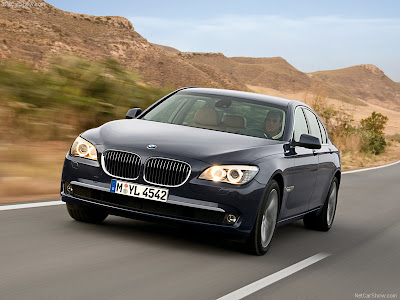
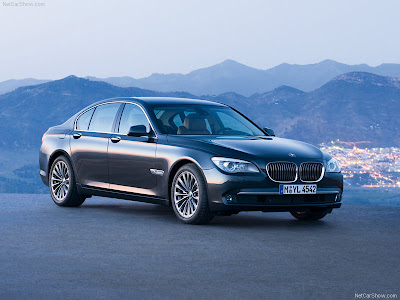
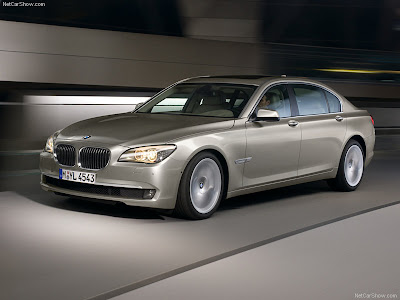
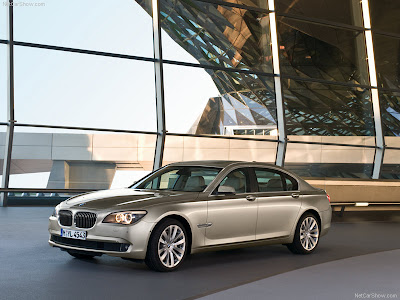
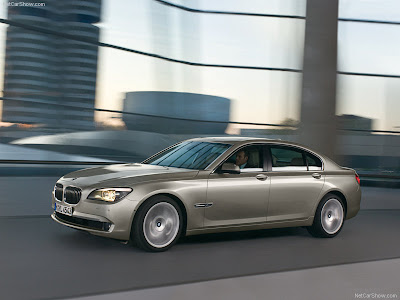
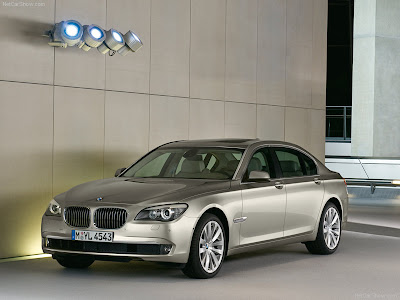
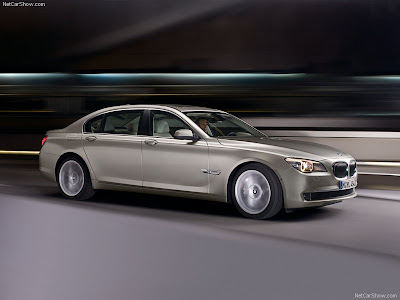
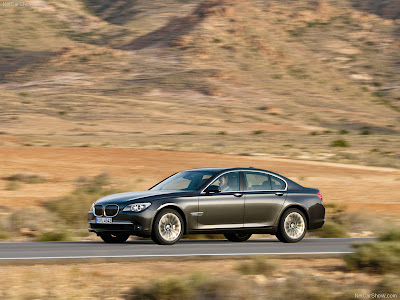
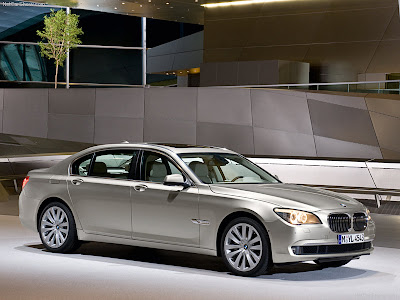
BMW 7-Series

BMW 7-Series
BMW 7-Series
BMW 7-Series
BMW 7-Series
BMW 7-Series
BMW 7-Series
BMW 7-Series
BMW 7-Series
BMW 7-Series


The launch of the fifth generation of the BMW 7-Series sets a new benchmark in automotive luxury, technical innovation and class-leading driving dynamics, combined with emissions reducing and fuel saving technology.

The flagship of the BMW model range debuts in November with a host of world firsts and will initially be offered with a choice of three powerplants, one diesel and two petrol engines. The two petrol-powered cars will be offered with a long-wheelbase body too. All three engines produce more power yet use less fuel and produce less emissions than any rival premium product.

The BMW 730d sets a new benchmark in terms of drivetrain performance. The new all-aluminium 3.0-litre straight-six cylinder diesel engine produces 245hp at 4,000rpm. Its effortless real world driving smoothness comes courtesy of a peak torque figure of 540Nm attained from 1,750rpm through to 3,000rpm.

The 2,993cc powerplant posts the lowest ever CO2 figure of any BMW 7-Series before it and it is also the most economical 7-Series ever. Its 192g/km emission figure is class-leading for conventionally powered luxury cars, while no other competitor comes close to its 39.2mpg combined consumption figure. It can accelerate from zero to 62mph in 7.2 seconds and has a 152mph top speed.


To put the BMW 730d's competitive advantage in context this luxurious vehicle records near identical fuel consumption and CO2 emissions to the Mercedes C320CDi - a car that is two market segments below the BMW 7-Series and is smaller and lighter than the BMW.

The impressive performance of the 730d is, in part, possible due to third-generation common-rail direct injection incorporating piezo injectors that operates at a peak pressure of 1,800 bar. This system ensures a near perfect combustion process. Weighing 185kgs the new six-cylinder diesel engine is also 5kgs lighter than its predecessor.

The BMW 730d is set to be the biggest seller in the UK, accounting for approximately 85 per cent of sales.

The BMW 750i and BMW 750Li are the range flagships. The new 4,395cc V8 engine from the recently launched BMW X6, featuring twin-turbochargers and high-precision direct injection technology, produces 407hp from 5,500rpm to 6,400rpm. Impressive figures that are backed up by an equally stunning 600Nm of torque from 1,750rpm to 4,500rpm. Such breathtaking performance sees the BMW 750i accelerate from zero to 62mph in 5.2 seconds (5.3 seconds for the 750Li) before going on to an electronically-limited top speed of 155mph. Consumption on the combined cycle is 24.8mpg, while CO2 emissions equate to 266g/km.

The all-aluminium V8 engine powering the 750i and 750Li also features its own world first - twin-turbochargers and catalysts that are placed within the V-space of the engine block. This not only optimises packaging but the reduction in manifold length and larger cross sections mean the engine breathes better for enhanced performance. Double-VANOS variable valve technology and high-precision direct injection technology further aid engine performance to the degree that all the innovations combine to offer a V8 engine that has an equivalent output of a traditional 12-cylinder unit.

Aimed at customers who prefer the characteristics of a petrol-powered BMW six-cylinder engine, the BMW 740i and 740Li are also offered. Using an internationally-acclaimed 2,979cc powerplant, the BMW 740i musters 326hp and 450Nm of torque for rapid yet serene performance. The twin-turbocharged engine features high-precision direct injection and Double-VANOS variable valve technology to achieve optimum performance. The 3.0-litre BMW 740i and 740Li post combined fuel consumption figures of 28.5mpg and 28.3mpg respectively, while returning emissions figures of 232g/km and 235g/km.

All BMW 7-Series models come with a six-speed automatic gearbox as standard.

EfficientDynamics

The launch of the new BMW 7-Series completes the line-up of the entire BMW range now being equipped with EfficientDynamics technologies fitted as standard. With its roof, doors, bonnet and side panels all made from aluminium to dovetail with the principle of lightweight engineering, the BMW 7-Series also has other innovative class-leading technology which improves engine performance, while cutting fuel consumption and emissions.

Brake Energy Regeneration uses the engine's power on overrun, such as braking, to charge the battery for the car's electrical circuit. When the driver is accelerating the alternator disengages so all of the engine's power is channelled towards the car's performance. Other ancillaries, such as the air-conditioning compressor, are also able to disengage to improve the all round performance of the car. This intelligent use of drivetrain power is why EfficientDynamics technology has helped the BMW 7-Series become a class-leader in terms of performance, fuel consumption and emissions.

World firsts

The BMW 7-Series' drivetrain superiority is reinforced with a plethora of automotive firsts. All BMW 7-Series can now be specified with the world's first Head-up Display incorporating a speed limit warning system. A camera mounted on the back of the rear view mirror scans oncoming road signs to alert the driver of any impending speed restriction. The BMW 7-Series is also the world's first car available with a Side View camera system that operates in conjunction with Park Distance Control. The system provides an overview of traffic conditions on the iDrive display so the driver can negotiate a partially obscured junction, leave a car park or drive through a narrow gate with absolute confidence.

The new BMW 7-Series can be specified with the world's most advanced Night Vision system in a production car. BMW was the first manufacturer to fit a Night Vision system to a premium car and it has now upgraded this package to include an individual person recognition system in another world first. A control unit within the system analyses video data of human behaviour as part of the Night Vision camera's reach and can subsequently alert the driver if it detects a human is moving into the path of the vehicle.

Building on the impressive list of innovations, the BMW 7-Series is the first BMW to feature Lane Change Warning combined with Lane Departure Warning. The latter is a system that first appeared on 5 and 6 Series models and uses a camera to monitor road markings. Should the driver start to stray out of lane, a gentle vibration of the steering wheel would provide an alert. However, courtesy of cameras located in the door mirrors, Lane Change Warning adds another tier of driver safety. The two cameras constantly scan the blind spot either side of the vehicle, up to a distance of 60 metres, and alert the driver to the presence of another vehicle with a triangular symbol in the door mirror.

Completing the host of innovations is speed-related Integral Active Steering. A car specified with this optional equipment allows the rear wheels to turn by up to 3�. At slow speeds it is highly manoeuvrable, while at a faster pace it offers enhanced composure and driving dynamics. BMW's flagship car is also the world's first to come with full-scale Internet connectivity.

Tailormade driving dynamics

The latest generation BMW 7-Series is the first to have Dynamic Driving Control featuring Dynamic Damping Control as standard. Dynamic Driving Control is the umbrella function that lets a driver customise the characteristics of his or her car. As part of this Dynamic Damping Control can bet set in comfort, normal or sport modes, but, for the first time, with the added benefit that these settings are infinitely variable depending on driving style and road surface condition. Depending on selected mode the throttle response, gear change speed and steering feel are also altered at the same time.

To aid driving dynamics and comfort the BMW 7-Series is the first BMW Saloon to feature race car-like double-wishbone front suspension. This arrangement allows engineers to fine-tune the suspension for the best kinematic configuration. The rear suspension consists of a five-link arrangement made of aluminium which can be further optimised with the inclusion of Adaptive Air Suspension.

The 2009 BMW 7-Series comes as standard with Dynamic Stability Control + featuring additional functions such as Hill-Start Assistant, Brake Drying, Brake Pre-tensioning, Soft-stop and Brake Fade Compensation. Dynamic Traction Control can be activated via a button to enable spirited driving or greater traction of slippery surfaces such as snow and ice.

A new interior

The new BMW 7-Series comes with one of the most luxurious interiors of any premium car. In addition to a new iDrive controller and larger 10.2-inch screen, owners will be able to programme frequently selected radio stations or navigation destinations on favourite buttons located on the centre console. For the first time on a BMW the instrument cluster comprises a high-resolution colour display with Black Panel technology. This new style of display makes for greater character clarity and, when not in use, forms a smooth, homogenous black surface that gives the interior an added level of modern elegance.

With its 40Gb hard drive, the BMW 7-Series is the first production car in the world that enables a customer to upload their favourite music to be stored on the vehicle. In excess of 100 albums can be saved in this way for the driver's enjoyment. Four-zone automatic air-conditioning can be specified and, for the first time, the BMW 7-Series can have a rear seat ventilation system combined with massage function. The air-conditioning system feeds cool air to the seat squab and backrest while twelve massage bubbles gently kneed the occupants' upper body.

The BMW 7-Series comes with BMW ConnectedDrive with enhanced BMW Assist and BMW TeleServices as standard. BMW Assist is the reactive safety blanket that automatically dials the emergency services if the driver is involved in an accident. For the BMW 7-Series this life-saving system has been improved so that it can now tell the emergency services the severity of the accident and the likely injuries of those inside. BMW TeleServices sees the 7-Series automatically communicate with a call centre if it the car is due a service or a potential fault is detected. A dealer will then contact the owner to arrange a convenient time to rectify this.

The BMW 7-Series goes on sale in the UK on 15 November, 2008.

Technical Specifications
BMW 750i
Displacement: 4.395 cm3
Max. Power: 300 kW/407 PS @ 5.500-6.400 rpm
Max. Torque: 600 Nm @ 1.750-4.500 rpm
0-100 km/h: 5,2 s (BMW 750Li: 5,3 s)
Top speed: 250 km/h
Combined Fuel Consumption (EU): 11,4 l/100 km (BMW 750Li: 11,4 l/100 km)
CO2-Emission (EU): 266 g/km (BMW 750Li: 266 g/km)
BMW 740i
Displacement: 2.979 cm3
Max. Power: 240 kW/326 PS @ 5.800 rpm
Max. Torque: 450 Nm @ 1.500-4.500 rpm
0-100 km/h: 5,9 s (BMW 740Li: 6,0 s)
Top speed: 250 km/h
Combined Fuel Consumption (EU): 9,9 l/100 km (BMW 740Li: 10,0 l/100 km)
CO2-Emission (EU): 232 g/km (BMW 740Li: 235 g/km)
BMW 730d
Displacement: 2.993 cm3
Max. Power: 180 kW/245 PS @ 4.000 rpm
Max. Torque: 540 Nm @ 1.750-3.000 rpm
0-100 km/h: 7,2 s
Top speed: 245 km/h
Combined Fuel Consumption (EU): 7,2 l/100 km
CO2-Emission (EU): 192 g/km
readmore...

Live Shots: Ford Transit Connect Family One Concept… just add kids!

Live Shots: Ford Transit Connect Family One Concept… just add kids!


What better place to take the wraps off a new family transportation vehicle than a kids’ science museum? That’s exactly what Ford did this afternoon at Ann Arbor’s Hands On Museum, and we were on hand to witness.


The 2010 Transit Connect Family One concept takes Ford’s new compact commercial van and explores the possibilities for the platform as a future family hauler. Peeking inside, a transparent divider between the front and second rows features a pair of embedded LCDs that can be used as computer monitors, watch movies or play games. In the back, built-in walkie talkie chargers sit next to dispensers for hand cleanser and a pair of fold up scooters hang on the rear door. There’s also a cavity under the rear floor that can consume a stroller.


Ford engineers have also looked at the Family One as an opportunity to experiment with some next-generation communications devices. Sensors based on the specifications for the next iteration of Bluetooth are embedded in the rear seat. Child safety seats with sensors that can detect tension, angle and other factors can communicate wirelessly with the driver to warn if the seat is not installed properly. These types of systems are probably still at least five years out, but they are definitely very cool.


Check out the high-res gallery of live shots below, and the original post for more details.


Gallery: Ford Transit Connect Family One concept


Live Shots: Ford Transit Connect Family One Concept… just add kids!Live Shots: Ford Transit Connect Family One Concept… just add kids!Live Shots: Ford Transit Connect Family One Concept… just add kids!Live Shots: Ford Transit Connect Family One Concept… just add kids!Live Shots: Ford Transit Connect Family One Concept… just add kids!


Photos Copyright (C)2009 Sam Abuelsamid / Weblogs, Inc.

readmore...

Detroit Electric & PROTON to Produce Electric Cars

Detroit Electric & PROTON to Produce Electric Cars


Here’s is interesting news, Detroit Electric, an American car maker from a century ago and as the name implies, they made electric cars, is teaming up with PROTON, Malaysia’s largest carmaker and former owner of Lotus are teaming up to mass produce electric, roadworthy cars.


Did Tesla know about this? Or Chevy, with their Volt? A very curious and interesting development.


Detroit Electric & PROTON to Produce Electric Cars


The plan goes like this Detroit Electric and PROTON (all caps, all the time) will produce and market full line of what they call “Pure Electric” vehicles in America, England, the European Union and China starting in 2010. Detroit Electric will be producing and integrating its patented electric drive systems into two Proton vehicle platforms under license from the Malaysian manufacturer, then marketing them under the Detroit Electric brand.


The deal not only has the backing of the PROTON & Detroit Electric boards, but also the blessing of the Malaysian government with the contract signing ceremony officiated by Malaysian Prime Minister Datuk Seri Abdullah Ahmad Badawi.


Albert Lam, Detroit Electric’s Chairman and Chief Executive Officer, put it this way: “Today’s agreement with Proton will put Detroit Electric on the fast track to bring a full line of innovative, practical and affordable pure electric vehicles to the global market. We chose Proton due to its state-of-the-art production facility, commitment to research and development, cost efficiency, and stable, high-quality workforce.”


Albert Lam and the Detroit Electric people are aiming high with this venture. They are planning by 2012 to sell more than 270,000 Pure Electric Vehicles in Europe, UK, China and the United States. The vehicles target price is between $23,000 and $26,000 for the city range model and between $28,000 and $33,000 for the extended range model. The styling will be changed enough to distinguish the Detroit Electric cars from Proton’s existing line-up.


Detroit Electric & PROTON to Produce Electric Cars


The vehicles will use Detroit Electric’s unique, patented electric drive system, greatly reducing the electric motor’s size and weight. Called Magnetic Flux Motor Technology and combined with well-proven Lithium Polymer Battery Technology allow pure electric vehicles to achieve a single-charge range of 111 miles for the city range model and 200 miles for the extended range model.


Detroit Electric & PROTON to Produce Electric Cars


The Detroit Electric & Proton press release:


AFFORDABLE AND PRACTICAL PURE ELECTRIC VEHICLES


Detroit Electric to produce and market full line of innovative Pure Electric vehicles in US, UK, EU and China beginning 2010


KUALA LUMPUR, March 30, 2009: Detroit Electric Holdings Ltd and PROTON Holdings Berhad today announced a strategic partnership to mass produce Pure Electric Vehicles. Detroit Electric will integrate its patented electric drive systems into the vehicles.


Under the agreement, Detroit Electric will license two Proton vehicle platforms and contract the company to assemble the electric vehicles that will be marketed under Detroit Electric’s brand.


This agreement will provide Detroit Electric with its first manufacturing base. The announcement came at a signing ceremony officiated by Malaysian Prime Minister Datuk Seri Abdullah Ahmad Badawi.


“Today’s agreement with Proton will put Detroit Electric on the fast track to bring a full line of innovative, practical and affordable pure electric vehicles to the global market,” said Albert Lam, Detroit Electric’s Chairman and Chief Executive Officer. “We chose Proton due to its state-of-the-art production facility, commitment to research and development, cost efficiency, and stable, high-quality workforce.”


By 2012, Detroit Electric plans to sell more than 270,000 Pure Electric Vehicles in Europe, UK, China and the United States. The vehicles will be priced between USD 23,000 and USD 26,000 for the city range model and between USD 28,000 and USD 33,000 for the extended range model. Styling changes will distinguish Detroit Electric’s vehicles from Proton’s existing line-up.


The vehicles will be based on Detroit Electric’s unique, patented electric drive system that greatly reduces the electric motor’s size and weight. The underlying Magnetic Flux Motor Technology and well-proven Lithium Polymer Battery Technology allow pure electric vehicles to achieve a single-charge range of 180km (111 miles) for the city range model and 325km (200 miles) for the extended range model.


Detroit Electric is in the final stage of setting up two subsidiaries: Detroit Electric Energy, which will produce the battery technology, and Detroit Electric Advanced Propulsion Lab, which will manufacture the motor and controller.


The Detroit Electric Advanced Propulsion Lab and Manufacturing Plant is targeted to be in Malaysia close to the vehicle assembly facilities of Proton. By 2012, the two production plants will produce more than 400,000 electric drive systems, creating thousands of jobs and supporting Detroit Electric’s internal demands as well as third-party OEM’s needs.


Proton, which currently produces a total of 270,000 vehicles of various models in Malaysia, edged out a host of international brands when its popular Persona was named Malaysia’s Best Model of the Year in the 2008 Frost & Sullivan ASEAN Automotive Awards. The company is also Malaysia’s largest investor in research and development, spending USD 1.2 billion (RM4.6 billion) between 1993 and 2003.


“We are proud to be able to integrate our electric drive systems upon one of the best cars out of Asia. Our customers around the world will enjoy the level of quality and comfort offered by Proton, an award-winning manufacturer,” said Lam.


Detroit Electric will be responsible for the homologation of the vehicles and for vehicle certification in the U.S. and European markets, where models are targeted to be sold in the first quarter of 2010 EU, UK, China and closely followed the US. Detroit Electric will assume all warranty and liabilities for the Electric Vehicles, while Proton will warranty the vehicle’s build and standard components.


“Our vehicles will be reliable, meet all quality and safety requirements, and quite simply outperform internal combustion engine vehicles of the same class. They will be affordable as we look at the competitive market and come without the polluting carbon emissions,” said Lam.


Today’s agreement also initiates the test and validation program in which Proton will evaluate Detroit Electric’s electric drive system with the intent to license the rights to distribute, market and sell vehicles under the Proton brand in Asia.


Detroit Electric is looking to repeat similar contract production partnerships with manufacturers in Europe and the United States. This will allow the company to extend its range of models very quickly to meet demand in the different automotive segments in these markets.


“When you are trying to redefine the automotive industry, you need to bring many partners along,” said Lam. “Our contract manufacturing business model will breathe new life into current manufacturers, leveraging existing unutilized global resources and accelerating the technological advancement of pure electric vehicles.”


On the current global downturn in automotive markets, Lam expressed confidence that Pure Electric Vehicles will attract a diverse base of consumers despite the tightening credit market, lowered consumer confidence, unstable oil prices and stricter fuel economy regulations.


“Our target audience are those who purchase practical and affordable vehicles. This makes our products fit the pockets of a very wide audience – from professionals and executives, to mothers, students and small business owners.”


-End-


© Gearhead Media - Please visit Automoblog.net for more great content.

readmore...

The New Camaros Are Here! The New Camaros Are Here!

The New Camaros Are Here! The New Camaros Are Here!


The New Camaros Are Here! Or at least they’ll be in showrooms pretty darn soon, and it’s about time. GM’s updated Camaro, one of the most highly anticipated cars for years, and one that has been rumored and dissected and hyped on the net for what seems like decades, is finally going to make it into the hot little hands of pony car lovers nation-wide.


OK, it’s about as official as it can get, and GM has released the final, final, really this is it final, no more changes list of what the new Camaro’s options will be.


Let’s start with what this bread of car has been known most for: engines.


The new for 2010 has two engine options, both of which are surprisingly up to date, modern, and powerful, even for the base level model. The base model engine is a 3.6 liter direct-injected V-6 with variable valve timing standard on LS and LT trim packages (the SS is the top line of trim, and features the bigger engine). The 3.6 liter offers power and efficiency, with 304 horsepower and EPA-rated 29 mpg in highway driving. Neither of which is shabby. Getting over 300 horses from that size and layout of engine is really good, and 29 MPG is respectable, but not stellar.


The Camaro SS offers a pair of 6.2L V-8s, including one with Active Fuel Management that helps improve fuel economy by shutting down four cylinders during certain light-load driving conditions. In other words, if the car thinks your loping down the freeway, it’ll dial the engine back to really save on gas, giving you 25 mpg in EPA-rated highway fuel economy. Which is only so-so, but probably pleases the bean-counters at GM to no end.


As far as transmissions are concerned, all Camaro models can be equipped with either a six-speed manual or six-speed automatic transmission. The six-speed automatic transmission is a first for Camaro.


The 3.6L engine gets a standard AY6 six-speed manual. It features lower shift effort and shorter throws for easier shifting and “fun-to-drive” characteristics. A hydraulic clutch and self-adjusting mechanism eliminates the need for adjustments throughout the lifespan of the transmission. The Hydra-Matic 6L50 six-speed automatic is an optional with the six bangers. It has an aggressive 4.07:1 first gear ratio that delivers strong launches, but also provides tall overdrive ratios that decrease engine rpm and provide better fuel efficiency. The 6L50 also includes driver shift control, with the driver taking control via paddle shifts located on the steering wheel after selecting the “M” mode on the console-mounted shifter, which is pretty trick.


The SS models get the new Tremec TR 6060 six-speed manual is paired with the LS3 … big block? Is it fair to call a 6.2 a big block? Man, how many beers have I drunk over this conversation? It used to be, back when we measured engine in cubes versus liters that a big block would start at around what is now 7 liters. But in this day & age, 6.2 is probably big enough to be considered a “big block”. Anyway, the new Tremec TR 6060 six-speed manual is designed to handle the high torque characteristics of the big mill, while providing short throws, smooth gear synchronization and greater overall shift feel with little or no vibration. Its specs include a solid 290 mm flywheel and single-plate clutch. The final drive ratio for LS3 vehicles is 3.45:1.


You can also get the big block with a slush-box, if that’s your deal. This would be the Hydra-Matic 6L80 six-speed automatic, which like the 6L50 transmission, features driver shift control and PAS. The final drive ratio on all automatic-equipped Camaro models is 3.27:1.


Apart from that, here’s the specs that I really noticed:


Curb weight (lb / kg):


3769 / 1713 – LS w/ automatic

3780 / 1718 – LS w/ manual

3719 / 1687 – LT w/ automatic

3728 / 1691 – LT w/ manual

3902 / 1770 – SS w/ automatic

3849 / 1746 – SS w/ manual


Nearly two TONS for the full zoot big block with auto? Now that highway MPG figure is looking even more impressive. Sorry, but that’s just WAY too fat. Trim it down please. Make me a lightweight version that tips the scales at around a ton & a half, and THEN I’d be more interested.


So, there’s the final word on what the upcoming Camaro will spec out like.


Here’s the full set of GM pressers:


For release: March 16, 2009, 12:01 a.m. EDT


THE 2010 CHEVROLET CAMARO – A FUN, EFFICIENT SPORTS CAR FOR THE 21st CENTURY


DETROIT – The wait is over. After a seven-year hiatus, the new Chevrolet Camaro is now back in dealer showrooms.


Combining great looks, performance and advanced technology, the 2010 Camaro honors its heritage while delivering on customer expectations of a sports coupe for the 21st century.


“The new Camaro delivers a modern, advanced package of performance, comfort and technology,” said Ed Peper, Chevrolet general manager and General Motors vice president. “It’s a personal car for a generation of enthusiasts, both young and old, that honors the Camaro’s heritage with a thoroughly contemporary design.


Built on the new global rear-wheel-drive passenger car platform, Camaro embodies GM’s global vehicle development and design process. The original design concept was conceived in the United States, with engineering shared by both Australia and U.S. teams. Validation was conducted on roads throughout the world and assembly is handled by GM’s award–winning plant in Oshawa, Ontario, Canada.


Design features

With a design that is very close to the original concept, the 2010 Camaro acknowledges its heritage from the first-generation Camaro, produced from 1967 through 1969. The two-door sports coupe features classic proportions over a 112.3-inch (2,852 mm) wheelbase. The overall length of the Camaro is 190.4 inches (4,836 mm); width and height are 75.5 inches (1,918 mm) and 54.2 inches (1,376 mm), respectively.


The long hood and short deck are pushed to the far corners of the muscular fender forms and a fast, 67-degree rake windshield contributes to aerodynamic performance that includes a 0.37 coefficient of drag (Cd) on V-6 models and a slightly sleeker 0.35 Cd on the V-8-powered SS model.


Wheel arch openings received special attention through the design process. Whether the Camaro is equipped with the standard 18-inch, or optional 19-inch or 20-inch wheels, the relationship of the top of the tire and bottom of the fender is consistent on all models. All models also feature the classic “V” design motif in the nose, along with a 2.5-inch (63.5 mm) power dome in the aluminum hood, reminiscent of high-performance Camaro models. On SS models, a simulated air intake is located in the upper front fascia and the lower air intake is larger.


On the top, designers took a cue from Corvette and sculpted twin cockpits across the roof, giving the vehicle a distinctive Chevrolet presence. From the outside, the B-pillar is invisible to the eye, lending the true appearance of a hardtop coupe. The B-pillar is designed to provide increased structural rigidity to the car. And to ensure quality in the manufacturing process, a one-piece body stamping provides a cleaner overall side appearance that is free of seams, gaps or plastic appliqués. “Gills” located in the front of the rear quarter panel also are familiar Camaro styling cues.


Ten exterior colors are available and include Black, Victory Red, Rally Yellow and Silver Ice Metallic. Red Jewel Tintcoat is also available as an option. The color palette also includes Cyber Gray Metallic, Aqua Blue Metallic, Inferno Orange Metallic, White and Imperial Blue Metallic.


An RS appearance package is available on LT and SS. It includes HID headlamps with integrated halo rings, a rear spoiler on LT, specific taillamps and 20-inch wheels with a Midnight Silver finish.


Interior details

Inside the four-passenger cabin, a well-executed balance of heritage, modern design and attention to detail conveys simplicity and refinement with contemporary details in the cluster, switches, dials and lighting. An available ambient light package, for example, offers advanced LED light pipe technology, giving the cabin a distinctive glow.


Deep, recessed gauges, located in square housings outlined in chrome, give a nod to the classic Camaro interior. The instrument panel gauges include both speedometer and engine rpm, with a driver information center located between the large gauges – its readouts and features controlled via a stalk on the steering column. An optional, console-mounted gauge package includes oil pressure, oil temperature, volts and transmission fluid temperature. The gauge package is included on 2LT and 2SS models.


Cloth upholstery is standard and leather-appointed seats are included on 2LT and 2SS models. Four-way manual adjustment including fore/aft and up/down on the driver seat and two-way adjustment on the passenger seat is standard. Heated, leather-trimmed seats with driver six-way power adjustment are optional.


Both LT and SS standard cloth and available leather interior colors are black, gray and beige. The front seat travel is a generous 8.5 inches (216 mm) from front to back. On SS models, the seats feature a distinctive SS logo on the headrest with contrasting stitching. An Inferno Orange interior trim package also will be available with leather interiors.


All models include a three-spoke steering wheel with manual tilt/telescope adjustment. Cruise control and rear defog also are standard, while a leather-wrapped steering wheel and shift knob; redundant steering wheel controls; Bluetooth and USB port are part of the available Driver Convenience and Connectivity package. Also included in the package is remote start on automatic transmission-equipped vehicles, as well as a personal device interface module for iPods.


Soon after production begins, customers will be able to order a short-throw Hurst shifter that provides quick, concise shifting.


Camaro’s entertainment systems include a single-CD radio with six speakers that is standard on LS, LT and SS models. A premium, 245-watt Boston Acoustics nine-speaker audio system can be ordered on 1LT and SS models. XM Satellite Radio is standard on all models.


All models also include power door locks and express up and down driver and passenger window. Cargo capacity can be increased with the standard fold-down rear seat. The capacity of the trunk is 11.3 cubic feet (320 liters).


Safety

The Camaro offers a comprehensive system of safety features – starting with a robust body structure and integral safety cage around the passenger compartment. High-strength steel and ultra high-strength steels are used in key areas throughout the structure. Safety technologies also include:

∑ Driver and front passenger dual-stage air bags

∑ Driver and front passenger seat-mounted thorax side-impact air bags

∑ Head curtain side-impact air bags for front- and rear-seat occupants

∑ Front-seat safety belt load limiters and pretensioners

∑ A front passenger detection system that senses children and small-stature adults, and suppresses air bag deployment when appropriate.


In both doors, an interlock pin is utilized to prevent intrusion into the passenger compartment and adds stiffness to the door structure by engaging with a clevis bracket set into the rocker panel.


About Chevrolet

Chevrolet is one of America’s best-known and best-selling automotive brands. With the largest dealer network in the United States, Chevy is the leader in full-size trucks and the leader in sales of vehicles priced $35,000 and above. Chevrolet delivers more-than-expected value in every vehicle category, offering cars and trucks priced from $12,120 to $103,300. Chevy delivers expressive design, spirited performance and great value with standard features usually found only on more expensive vehicles. More information on Chevrolet can be found at www.chevrolet.com.

# # #


For release: March 16, 2009, 12:01 a.m. EDT


2010 CHEVY CAMARO’S PERFORMANCE BLENDS HORSEPOWER WITH EFFICIENCY


DETROIT – When it comes to performance, the 2010 Camaro delivers in unexpected ways. An advanced 3.6L direct-injected V-6 with variable valve timing is standard on LS and LT models. It offers power and efficiency, with 304 horsepower (227 kW) and EPA-rated 29 mpg in highway driving.


The performance-oriented Camaro SS offers a pair of 6.2L V-8s, including one with Active Fuel Management that helps improve fuel economy by shutting down four cylinders during certain light-load driving conditions. That model delivers 25 mpg in EPA-rated highway fuel economy.


Indeed, the surprising fuel economy of the new Camaro enhances the driving experience. LS and LT models are EPA-rated at 18 mpg in the city and 29 on the highway with an automatic transmission; and 17 city and 29 highway with the manual transmission. Camaro SS with an automatic is rated at 16 city and 25 highway; and 16 city/24 highway with the manual transmission. Notably, none of Camaro’s models is subject to federal gas guzzler taxes.


For comparison, the more expensive 2009 Dodge Challenger SRT8 offers comparable horsepower to the Camaro SS with the manual transmission – 425 (317 kW) vs. 426 (318 kW) – and is EPA-rated at 14 city and 22 highway. When automatic-equipped models are compared, the Camaro wins again, with the Challenger SRT8 rated at 13 city and 19 highway.


All of Camaro’s engines channel their power to a responsive chassis that features independent front and rear suspensions, large, four-wheel-disc brake systems with standard ABS and GM’s StabiliTrak electronic stability control system.


3.6L direct injection V-6

Camaro’s 3.6L direct injection (DI) V-6 delivers more power through increased efficiency, while maintaining fuel economy and lowering emissions – including a 25-percent drop in cold-start hydrocarbon emissions. Direct injection optimizes fuel delivery to the combustion chamber by introducing fuel closer to the combustion chamber. The fuel injectors are located beneath the intake ports and fuel is injected directly into the cylinder. The result is better efficiency in the combustion process leading to increased fuel efficiency at part and full throttle.


The 3.6L DI engine produces 304 horsepower (227 kW) at 5,900 rpm and 273 lb.-ft. of torque (370 Nm) at 5,200 rpm. Its 60-degree cylinder block and cylinder heads are cast aluminum to help reduce mass. A forged steel crankshaft provides optimal strength in the bottom end. The cylinder heads include four valves per cylinder, with a dual overhead camshaft design incorporating infinitely variable cam phasing.


A full dual exhaust system, with dual catalytic converters, helps reduce back pressure for optimum power. It also helps the engine reach operating temperature quicker to help burn off cold-start emissions. And despite a compression ratio of 11.3:1, the 3.6L DI engine is designed to run on regular gas.


Camaro SS’s 6.2L powertrains

Two 6.2L V-8 engines are offered in the Camaro SS, including the new L99 on automatic-equipped vehicles and the LS3 on manual-equipped models. Both engines are derived from the LS3 that debuted on the 2008 Corvette.


The 90-degree V-8 includes an aluminum block (with cast iron cylinder liners) and aluminum cylinder heads. The bottom end of the engine includes a new structural cast aluminum oil pan, with an oil capacity of 8.9 quarts (8.5 liters), while the two-valve cylinder head design is based on race-proven airflow dynamics. The intake valves measure 2.16 inches (55 mm) and exhaust valves are 1.60 inches (40.5 mm) in diameter.


The 6.2L engines also use a roller lifter-style camshaft with 5-percent greater intake-side valve lift than the Corvette’s LS3. It manages airflow that is channeled through an acoustically tuned intake manifold with a composite design that reduces runner-to-runner variation. The throttle bore diameter is 90 mm.


Horsepower for the L99 is 400 (298 kW) at 5,900 rpm and torque is 410 lb.-ft. (556 Nm) at 4,300 rpm. The LS3 develops 426 horsepower (318 kW) at 5,900 rpm and 420 lb.-ft. (569 Nm) at 4,600 rpm (all numbers are SAE certified). Output on the L99 is lower than the LS3 because of a slighter lower compression ratio (10.4:1 vs. 10.7:1) and design features of the Active Fuel Management System. The L99 is paired exclusively with an automatic transmission.


As with the 3.6L models, the SS models employ a full dual exhaust system, with two catalytic converters to reduce back pressure.


Transmissions

All Camaro models can be equipped with either a six-speed manual or six-speed automatic transmission. The availability of a six-speed automatic transmission is a first for Camaro.


Standard with the 3.6L engine is the Aisin AY6 six-speed manual. It features lower shift effort and shorter throws for easier shifting and “fun-to-drive” characteristics. A hydraulic clutch and self-adjusting mechanism eliminates the need for adjustments throughout the lifespan of the transmission.


The Hydra-Matic 6L50 six-speed automatic is optional with 3.6L-equipped models. It has an aggressive 4.07:1 first gear ratio that delivers strong launches, but also provides tall overdrive ratios that decrease engine rpm and provide better fuel efficiency. The 6L50 also includes driver shift control, with the driver taking control via paddle shifts located on the steering wheel after selecting the “M” mode on the console-mounted shifter.


Performance Algorithm Shifting (PAS) is included with the 6L50. It lets the electronic transmission controller override the automatic gear selection during high lateral acceleration maneuvers.


On SS models, the new Tremec TR 6060 six-speed manual is paired with the LS3. It is designed to handle the high torque characteristics of the engine, while providing shorter throws, smoother gear synchronization and greater overall shift feel with little or no vibration. Its specs include a solid 290 mm flywheel and single-plate clutch. The final drive ratio for LS3 vehicles is 3.45:1.


The highest-capacity automatic ever in a GM passenger car, the Hydra-Matic 6L80 six-speed automatic, is matched with the L99 engine. Like the 6L50 transmission, it features driver shift control and PAS. The final drive ratio on all automatic-equipped Camaro models is 3.27:1.


# # #


© Gearhead Media - Please visit Automoblog.net for more great content.

readmore...

Hennessey Performance ready to tap 2010 Ford Taurus SHO's potential

Hennessey Performance ready to tap 2010 Ford Taurus SHOby: Damon Lavrinc

Charles, one of our eagle-eyed readers, came across this page on the Hennessey website announcing plans to offer upgrades for the 2010 Ford Taurus SHO. A quick email and a subsequent phone call from Mr. Hennessey himself confirmed that the power-obsessed tuner is hoping to exploit the new SHO's potential later this year.

John, a former first-gen SHO owner himself, was impressed with the new SHO's specs when it was revealed last week, and the hope is that enthusiasts will start looking for modifications once sales begin later this year. At the onset, expect intake and exhaust mods, followed by a boost controller, turbo and intercooler upgrades and possibly some suspension tweaks.

Since Ford is primarily marketing its line of EcoBoost engines towards fuel-conscious consumers, there's little doubt that the automaker left something on the table. We're sure tuners are ready to take up the challenge, and it looks like John and his team will be at the forefront.
readmore...

Lexus revealed luxury SUV RX 350

Lexus revealed its all-new, next model RX 350 crossover at the Los Angeles auto show. The new RX350 is powered by an improved 275-horsepower, 3.5-liter V6 engine mated to an electrically controlled, sequential-shift six-speed gearbox. Styling is similar to that of the previous model, but every aspect of the exterior has been reworked for the new model year.


Lexus revealed luxury SUV RX 350


The new RX has a long list of high-tech gadgets, including an available Hard Disk Drive (HDD) navigation system, featuring an all-new “Remote Touch” controller. Positioned on the center console, Remote Touch is comparable to a computer mouse. While RX will feature voice recognition as standard, the new navigation system will also include a new casual language voice-recognition system that acknowledges conversational commands. Standard XM satellite-radio capability is joined by XM NavTraffic and new NavWeather features. The exterior of the all-new RX has a strong stance and powerful new body design with the goal of enhancing comfort and maneuverability. The inverted-trapezoid design in the front and the horizontally integrated rear are incorporated together via a pronounced shoulder along the RX’s profile. Stylish molding around the side windows and at the base of the doors provides low-profile strength. Standard 18-inch aluminum-alloy wheels complement the exterior with a strong, sporty look, with optional 19-inch aluminum-alloy wheels providing another styling cue. While it has increased in nearly every dimension, overall aerodynamic advancement was aided by a specially designed undertray, resulting in a segment-topping 0.32 coefficient of drag (Cd). The new RX is available with a selection of option packages, which include features like a Mark Levinson Surround Sound system, a dual-screen rear-seat entertainment system, dynamic radar cruise control, and a Sports Package featuring a sport-tuned suspension.


Lexus revealed luxury SUV RX 350Lexus revealed luxury SUV RX 350

readmore...

Rolls-Royce 200EX

Rolls-Royce 200EXBy Damon Lavrinc

Following today's embargo debacle, Rolls-Royce has finally released the official details and images of its baby Roller, the 200EX. The name draws its inspiration from the "experimental" prototypes that Rolls created during the pre-war era, but this version is more modern and has its sights set on the Bentley Continental Flying Spur.

While Rolls-Royce has deemed the Geneva-bound 200EX a concept, expect almost every exterior and interior detail to carry over to the production model when it arrives in 2010. However, the alphanumeric moniker will be replaced with something more traditional (think some variation of the words Spirit, Shadow or Cloud).

The styling is quintessential Rolls, pulling all the best cues from the Phantom and Drophead Coupe and fitting them into a decidedly smaller package. Based off the latest BMW 7 series platform, the 200EX spans 212.6 inches long, 83 inches wide and 61 inches tall, with a wheelbase of 129.7 inches. A new air suspension system hides behind the seven-spoke, 20-inch wheels, with the front hoops wrapped in 255/45 tires and the rears coated in 285/40 rubber. Rolls remains mum on engine details, only saying that the 200EX is powered by a new V12.

Inside you'll find all the top-rate, high-dollar trinkets that makes Rolls-Royce the standard of the luxury motoring world, including frosted lamps, chrome door handles, violin key switchgear and an ergonomic roller-ball controller to manipulate the car's systems.
readmore...

Aptera 2e Three Wheel Electric Car

Electric car, new Aptera 2e.It does look weird in some ways, but somehow it does have the dream design and technology pack inside it.Just take a look at that, a three wheel car?
Aptera 2e Three Wheel Electric Car
Aptera 2e

I'm accelerating and cornering — hard — on three wheels, little wisps of tire smoke curling out of the slender front wheel pants as steering is cranked in and "throttle" applied. And no, I'm not in an early Volkswagen GTI that hikes up its inside rear tire. Rather, I've been given a drive in the Aptera 2e, a soon-to-be-produced electric vehicle whose shape is slipperier than a Teflon-coated salmon on glare ice, and whose composite construction offers both light weight and impressive structural integrity. Better yet, the 2e is scheduled to begin rolling off the Vista, California, assembly line this October for an as-yet-to-be-determined price between $25,000 and $40,000. Charge it overnight from your 110-volt home outlet, and it's claimed to have a range of 100 miles...in the carpool lane, if you wish.


Pie in the sky? Nope. The business model looks sound; nearly 4000 deposits have been placed (Robin Williams among the clientele), enthusiastic investors are locked in, and co-founders Steve Fambro and Chris Anthony have assembled a team that balances Detroit low-volume niche-production experience with California "anything is possible" attitude. Chief engineer Tom Reichenbach was formerly vehicle engineering manager for both Ford GT and Shelby GT500 programs; and CEO Paul Wilbur has a storied history at Ford, Chrysler and ASC. And Fambro, a biotech engineer and private pilot intrigued by his aircraft's composite construction, and Anthony, a composites specialist with a background in boat design and fluid dynamics, seemed predestined for this partnership.


But back to the Aptera itself. I'm in the pre-production prototype called Punch, so named for upholstery whose color matches that oft-spiked party drink. But the fabric's long gone, as Punch gets lots of track-testing duty and is tuned now with suspension settings and an a/c motor/controller that are nearing final production specs. With the rotary "shifter" clicked to D3, the most aggressive setting, it's responsive, easily modulated and reasonably quick: Reichenbach says 0–60 mph in under 10 seconds with a 90-mph top speed with its pack of lithium-phosphate-ion-"pixie dust" cells — that last part suggesting that their exact composition is a secret.


But flinging it around the streets near Aptera's headquarters, it seems quicker still, partly due to a go-kart-like agility that's carried off with a surprisingly civil ride. Adding to the feel is a view of the road rushing up at you (the base of the aircraft-evocative windshield plunges toward the pavement) and those wheel pants articulating with the inboard rocker-type front suspension, visible out of the dramatically forward-raked side windows. Steering and brakes are unassisted, but efforts are reasonable as the curb weight is only 1700 lb., about half the weight of a base Honda Accord.


Aptera 2e Three Wheel Electric Car
Aptera 2e

Earlier, I rode with Reichenbach in another near-production prototype whose interior and exterior detailing is nearing final spec. Entering gracefully through the quasi-gullwing doors takes a few tries, but the door openings are large and once seated, the cabin width seems to split the difference between a Lotus Elise and a Toyota Corolla. There's a large hooded digital speedometer and bar-graph battery state-of-charge indicator, along with a central infotainment screen that offers mind- boggling possibilities. Leg- and head room were surprisingly generous for even my 6- foot-3 frame. And safety is preeminent in the Aptera's design — the final version will have both frontal and side airbags. And if there was any doubt about the strength of the composite construction, it was quelled as eight Aptera employees stood on the roof of a development shell. And that was after the shell had gone through government roof -crush testing!


It seems as if the future is here today...or at least come this October.


Source: Supercars
readmore...

Baby Stroller: Carpocalypse Edition [Carpocalypse]

Baby Stroller: Carpocalypse Edition [Carpocalypse]Because in a post-carpocalyptic world, if babies are outlawed from having guns, only outlaw babies faculty of volition take guns. Or in this case, shotguns. [via jasoncalacanis's posterous]


Baby Stroller: Carpocalypse Edition [Carpocalypse]


Baby Stroller: Carpocalypse Edition [Carpocalypse]

readmore...

Edo Competition Bentley Continental GT Speed

edo-competition-bentley-continental-gt-speed-1


Some car tuners think that 610 HP is not enough for speed addicts and Edo Competition decided to improve the Bentley Continental GT Speed, a car that has 610 horses under the hood. Edo took the 6.0L W12 engine, added a stainless steel exhaust system and improved to car’s engine cooling unit to get a small power boost. The new high performance exhaust even features butterfly valves and the driver can decide when he wants to open up the valves to heard the sull sound of the W12 engine from a remote controller. Their engine could deliver 680 HP, 70HP more than the stock version and has a maximum torque of 649 lb-ft. Thanks to these performance improvements this Bentley could accelerate from 0 to 100 km/h in just 4.2 seconds and it could reach a breathtaking top speed of 340 km/h.


Edo Competition also dropped the suspension with around 35 millimeters and they installed 20″ wheels hich can be custom painted equipped with Contact V-Max tires. Even though they improved the car’s performances the supersport car from Bentley still accelerates faster with a 0-100 time of just 3.7 seconds but their car can’t match Edo’s top speed.


edo-competition-bentley-continental-gt-speed-1edo-competition-bentley-continental-gt-speed-2edo-competition-bentley-continental-gt-speed-3edo-competition-bentley-continental-gt-speed-4edo-competition-bentley-continental-gt-speed-5edo-competition-bentley-continental-gt-speed-6


[Source: Edo Competition]

readmore...

Rolls-Royce 200EX

Following today's embargo debacle, Rolls-Royce has finally released the official details and images of its baby Roller, the 200EX. The name draws its inspiration from the "experimental" prototypes that Rolls created during the pre-war era, but this version is more modern and has its sights set on the Bentley Continental Flying Spur.

While Rolls-Royce has deemed the Geneva-bound 200EX a concept, expect almost every exterior and interior detail to carry over to the production model when it arrives in 2010. However, the alphanumeric moniker will be replaced with something more traditional (think some variation of the words Spirit, Shadow or Cloud).

The styling is quintessential Rolls, pulling all the best cues from the Phantom and Drophead Coupe and fitting them into a decidedly smaller package. Based off the latest BMW 7 series platform, the 200EX spans 212.6 inches long, 83 inches wide and 61 inches tall, with a wheelbase of 129.7 inches. A new air suspension system hides behind the seven-spoke, 20-inch wheels, with the front hoops wrapped in 255/45 tires and the rears coated in 285/40 rubber. Rolls remains mum on engine details, only saying that the 200EX is powered by a new V12.

Inside you'll find all the top-rate, high-dollar trinkets that makes Rolls-Royce the standard of the luxury motoring world, including frosted lamps, chrome door handles, violin key switchgear and an ergonomic roller-ball controller to manipulate the car's systems.
readmore...

Hennessey Performance ready to tap 2010 Ford Taurus SHO's potential

Hennessey Performance ready to tap 2010 Ford Taurus SHOby: Damon Lavrinc

Charles, one of our eagle-eyed readers, came across this page on the Hennessey website announcing plans to offer upgrades for the 2010 Ford Taurus SHO. A quick email and a subsequent phone call from Mr. Hennessey himself confirmed that the power-obsessed tuner is hoping to exploit the new SHO's potential later this year.

John, a former first-gen SHO owner himself, was impressed with the new SHO's specs when it was revealed last week, and the hope is that enthusiasts will start looking for modifications once sales begin later this year. At the onset, expect intake and exhaust mods, followed by a boost controller, turbo and intercooler upgrades and possibly some suspension tweaks.

Since Ford is primarily marketing its line of EcoBoost engines towards fuel-conscious consumers, there's little doubt that the automaker left something on the table. We're sure tuners are ready to take up the challenge, and it looks like John and his team will be at the forefront.
readmore...

Araç Muayene Istasyonları Özelleşti...


Araç Muayene Istasyonları Özelleşti...Araç muayene istasyonları özelleştikten sonra kontroller artık özel sektöre geçti. Yeni sistemle 10 ayrı nokta kontolü yapan TÜVTÜRK yetkilileri, uygun olmayan birçok aracı da geri çeviriyor. Hatta öyle ki, araçların neredeyse yarısı ilk kontrolden geçemeyip geri dönmek zorunda kalıyor. İşte TÜVTÜK´ün açıklamasına göre araç muayenesinde dikkat edilmesi gereken hususlar şöyle:
readmore...

Aptera 2e Three Wheel Electric Car

Electric car, new Aptera 2e.It does look weird in some ways, but somehow it does have the dream design and technology pack inside it.Just take a look at that, a three wheel car?
Aptera 2e Three Wheel Electric Car
Aptera 2e

I'm accelerating and cornering — hard — on three wheels, little wisps of tire smoke curling out of the slender front wheel pants as steering is cranked in and "throttle" applied. And no, I'm not in an early Volkswagen GTI that hikes up its inside rear tire. Rather, I've been given a drive in the Aptera 2e, a soon-to-be-produced electric vehicle whose shape is slipperier than a Teflon-coated salmon on glare ice, and whose composite construction offers both light weight and impressive structural integrity. Better yet, the 2e is scheduled to begin rolling off the Vista, California, assembly line this October for an as-yet-to-be-determined price between $25,000 and $40,000. Charge it overnight from your 110-volt home outlet, and it's claimed to have a range of 100 miles...in the carpool lane, if you wish.


Pie in the sky? Nope. The business model looks sound; nearly 4000 deposits have been placed (Robin Williams among the clientele), enthusiastic investors are locked in, and co-founders Steve Fambro and Chris Anthony have assembled a team that balances Detroit low-volume niche-production experience with California "anything is possible" attitude. Chief engineer Tom Reichenbach was formerly vehicle engineering manager for both Ford GT and Shelby GT500 programs; and CEO Paul Wilbur has a storied history at Ford, Chrysler and ASC. And Fambro, a biotech engineer and private pilot intrigued by his aircraft's composite construction, and Anthony, a composites specialist with a background in boat design and fluid dynamics, seemed predestined for this partnership.


But back to the Aptera itself. I'm in the pre-production prototype called Punch, so named for upholstery whose color matches that oft-spiked party drink. But the fabric's long gone, as Punch gets lots of track-testing duty and is tuned now with suspension settings and an a/c motor/controller that are nearing final production specs. With the rotary "shifter" clicked to D3, the most aggressive setting, it's responsive, easily modulated and reasonably quick: Reichenbach says 0–60 mph in under 10 seconds with a 90-mph top speed with its pack of lithium-phosphate-ion-"pixie dust" cells — that last part suggesting that their exact composition is a secret.


But flinging it around the streets near Aptera's headquarters, it seems quicker still, partly due to a go-kart-like agility that's carried off with a surprisingly civil ride. Adding to the feel is a view of the road rushing up at you (the base of the aircraft-evocative windshield plunges toward the pavement) and those wheel pants articulating with the inboard rocker-type front suspension, visible out of the dramatically forward-raked side windows. Steering and brakes are unassisted, but efforts are reasonable as the curb weight is only 1700 lb., about half the weight of a base Honda Accord.


Aptera 2e Three Wheel Electric Car
Aptera 2e

Earlier, I rode with Reichenbach in another near-production prototype whose interior and exterior detailing is nearing final spec. Entering gracefully through the quasi-gullwing doors takes a few tries, but the door openings are large and once seated, the cabin width seems to split the difference between a Lotus Elise and a Toyota Corolla. There's a large hooded digital speedometer and bar-graph battery state-of-charge indicator, along with a central infotainment screen that offers mind- boggling possibilities. Leg- and head room were surprisingly generous for even my 6- foot-3 frame. And safety is preeminent in the Aptera's design — the final version will have both frontal and side airbags. And if there was any doubt about the strength of the composite construction, it was quelled as eight Aptera employees stood on the roof of a development shell. And that was after the shell had gone through government roof -crush testing!


It seems as if the future is here today...or at least come this October.


Source: Supercars
readmore...

/