Showing posts with label honda. Show all posts

Mazda Celebrates Miata’s 20th Anniversary At Le Mans

Mazda Celebrates Miata’s 20th Anniversary At Le Mans


Sweet Jesus, has it been 20 year already? Yeah, yeah I guess it has. I remember in 1989 I was working for an aircraft manufacturer. There were four car guys in the office, including me. At the time, an ongoing topic of conversation was something along the lines of: “Why doesn’t Honda/some other Japanese car company take one of their four cylinder engines and sit it in a two door convertible body?”


And one day I walked into the office with the latest AutoWeek in my hands, dropped it on the conference room table and said, “Bob, Ernie. Take a look at this!”


There on the cover was a red, two-seat convertible that looked a LOT like a Lotus Elan. It was called the Miata, and would soon be hitting the showrooms of Mazda dealers throughout North America. A quick read of the captions told you all you needed to know:


Rear wheel drive

Two seats (and NO back seat, not even a jump seat)

Independent suspension

Disc brakes all around

1.6 four cylinder with four valves per and fuel injected

Folding top with a zip out rear window


“What’s up with the name?” asked Ernie


“Dunno. Old German word meaning something or other.”


“How Much?” asked Bob.


“Twenty thousand.”


“Really,” they both said in unison.


“Yeah … really … “.


And that was it.


A little over two years later, I was in a red 1990 package B Miata on my way rapidly south, down the Pacific Coast Highway, with a group of five other Miatas from the local chapter of the Miata Club of America. We were invitees of Mazda of North America to attend the Monterey Historic Races at Laguna Seca, a track I hadn’t been to since I was 11 years old, when I saw a Can Am race with my dad & brother.


On Friday night we were on our way back to the track from an early dinner at the Hog’s Breath Inn in Carmel (great French onion soup BTW), and up and over the twistys from the coast inland, the group of us happened upon a long white limo. I was number three or four in line, and about a quarter mile after he came up on them, the limo pulled over and we passed, each of us waiving our hands in thanks.


We get to the track, and head to the infield tent that Mazda had set up. They were showing their up-coming third-gen RX-7 to the press and the car crowd over the weekend. We were there for about 20 minutes when I noticed Bill, the guy who was our point driver when we passed the limo, talking with 4 Japanese guys, so I wander over.


“Hey Tony, these were the guys that were in that white limo,” Bill said.


“Oh really? Thanks for letting us by.”


“It was no problem,” said the youngest of the bunch in Japanese-accented English. “It would be a shame to slow you down on a road such as that.”


“No kidding. So what are you guys doing here?” I motioned to include the tent.


“We are the design team for the new RX-7″ he said, gesturing to the white, pre-production model RX sitting next to one of the original Mazda Cosmos.


“You ARE? That’s great!”


“How do you like our Miata?” he asked very politely.


“Like it? I love it! I grew up in a British car family and-” he cut me off with a half- suppressed laugh.


“Ah, I to had MANY Austin-Healy Sprites when I was young man,” he said with a grin, half shaking his head.


Sweet Jesus, has it been 20 year already? Yeah, yeah I guess it has. I remember …


Hat tip to Carscoop


Flickr photo from user Boats-n-cars


© Gearhead Media - Please visit Automoblog.net for more great content.

readmore...

McLaren/Mercedes GP Season From Hell

McLaren/Mercedes GP Season From Hell


You could start by saying something biblical, like the lord giveth, and the lord taketh away but it’s actually more prosaic than that. McLaren/Mercedes has been having a hell of a season (in a bad way) in this year’s grand prix competition. And this past weekends race at Turkey is one of their worst in memory.


A lot of people are scratching their heads, but the actual reason as to why things are so bad and why they’re getting whopped is a little more easily understood and prosaic.


The thumbnail sketch goes like this:


McLaren/Mercedes, one of the best grand prix racing teams out there, and the defending champions of the drivers title have been completely lost at sea since the drop of the flag at the first race of the year in Australia. It’s nothing specifically wrong, it’s everything. No grip, no speed, no straight-line acceleration, and they’ve been trying to get a handle on the new KERS system, and that hasn’t been so good either.


McLaren has not been alone, though. Doing only slightly better is last year’s constructor’s champions, Ferrari. And there in lies one of the reasons why McLaren is having such a bad time of it this year.


Most importantly, there have been a whole new raft of rules implemented for the ‘09 round of the Grand Prix World Championship. Slick tires are back, there’s huge aero changes (bigger front wing, much smaller rear, “simplified” underbody etc.), and you can now run a KERS (Kinetic Energy recovery System) hybrid drive if you’d like. Any one of these would have meant a lot of time and trouble for a team, but McLaren are big enough to handle that. All of the changes combined though, that’s a pretty steep hill to climb … And McLaren (along with Ferrari) didn’t start trying to climb it until way late in the game.


See, the two teams were so damn busy trying to knock the stuffing out of one another last year (the titles weren’t decided until literally the last corner of the last lap of the last race), that they didn’t get started on the 2009 cars (the ones with all the changes) until very, very late in the game.


That’s strike one.


The other bad news is that some of their competition, most noticeably Red Bull, Toyota and “newcomers” Brawn, had been working on their ‘09 cars for a long while. Brawn, in particular, have been working on their car since May of 2008. But that was when Brawn was known as Honda, and Honda’s ‘08 season was going so bad, they simply threw in the towel on the whole season, and literally said, ‘Screw it! We’ll just start working on the 2009 car instead.’


That’s strike two.


And on top of all this, most of the teams looked at the new-for-09 rules and said, “OK, the new underbody has to look like XXX.” Toyota and, most significantly Brawn, looked at the rules as they were written, and saw a HUGE loophole and built a very smart diffuser design.


That’s strike three.


It’s not so much that McLaren came up with a bad design, it’s that the competition came up with a better one. McLaren didn’t fail so much as the others have succeeded.


Ah well, so it goes in the racing world. Keep on boys. Look at it as a development year, and concentrate on what the 2010 car should be.


Here’s the McLaren/Mercedes presser (being as upbeat as they can):


GP Türkei: Lewis Hamilton and Heikki Kovalainen 13th and 1414

Stuttgart, Jun 07, 2009


LEWIS HAMILTON

MP4-24-04

Started: 16th Finished: 13th

Fastest lap: 1m28.662s (15th) Pitstops: one (Pr-Op)

Championship points: 9 Championship pos: 11th

Starting with a heavily fuelled car, Lewis was unable to start the race aggressively and slotted into 17th. Adopting a single-stop strategy from the off, he pushed hard throughout, always maximising the car’s potential and, by virtue of passing the two-stopping cars pitting ahead of him, worked his way up to 10th before making his sole pitstop on lap 32. Switching from the Prime to the Option tyre, he rejoined in 16th, was passed by Nelson Piquet but put in another strong stint to recover to 13th by the chequer.

“It was quite an uneventful race but I actually enjoyed myself this afternoon,” Lewis said. “I was very heavy at the start but I just pushed and pushed. That’s why I can smile – because I think I drove to my full potential.

“The most important thing is for us to keep our heads up and to keep pushing. I see my role from now on as helping the team to cure the problems with this year’s car and to make next year’s car the best it can possibly be. When the team gives me a car to win, I will win.

“Now we look ahead to Silverstone – I really wish Jenson all the best: he did a fantastic job today. Personally, I hope I can come away from my home race with a great feeling from my home fans. I hope they won’t give up supporting me.”


HEIKKI KOVALAINEN

MP4-24-03

Started: 14th Finished: 14th

Fastest lap: 1m29.174s (18th) Pitstops: two (Op-Pr-Op)

Championship points: 4 Championship pos: 13th

Making a strong start, Heikki was able to slot into 11th by the end of the first lap, settling into an enthralling cat-and-mouse battle with Rubens Barrichello, who had slipped down the order at the start. Defending hard against the faster car, Heikki continually stayed ahead of Rubens, using his KERS to push back past on the startline after Rubens had nosed ahead out of the final corner. The dice concluded on lap eight when Rubens attempted to look up the inside into Turn Nine and the pair touched, pitching Heikki into a brief tank-slapper and Rubens into a harmless spin.

Thereafter, Heikki pitted on laps 19 and 42 and ran to the chequer in 14th after the team elected to reduce his engine settings to preserve the Mercedes-Benz motor.

“This was a character-building race for everybody in the team,” Heikki said afterwards. “At the start of the race, I really got the maximum out of the car and I’m pleased about that. I had a good fight with Rubens too – it was great to be racing hard and fair and it was very satisfying to keep a faster car at bay with some good old-fashioned racing tactics and also our KERS hybrid.

“In the final stint, the engineers elected to turn down the revs to protect my engine. Still, we have to be realistic: we finished 14th and we all know we can do better. We’ve had some great days in the past and we’ll continue to push hard to enjoy some great days in the future.”


MARTIN WHITMARSH

Team principal, Vodafone McLaren Mercedes

“In extremely frustrating circumstances, both Lewis and Heikki performed very impressively this afternoon. They both tried their hardest throughout the race, and we’re grateful for their sterling efforts. Of course, it’s frustrating that two such forceful drives went unrewarded in terms of world championship points, but the fact is that our car just isn’t as quick as we’d like it to be. So, now, we’ll go back to Woking and we’ll work hard to rectify its deficiencies, but there’s no magic cure. No, instead, the remedy will be found via hard work, and one thing our team isn’t afraid of is hard work – which, it goes without saying, I’m also extremely grateful for. But, returning to the subject of today’s race, the fact that Rubens, in an extremely competitive car, was unable to make anything of his afternoon once he’d got bogged down at the start, demonstrates all too clearly that, in modern-day Formula 1, as close-fought as it is, it’s more or less impossible to make useful progress from the back of the field. That may be frustrating, but it’s true nonetheless.”


NORBERT HAUG

Vice-president, Mercedes-Benz Motorsport

“We knew that this type of circuit would be difficult for us. Whereas the car works okay in sector three with its long straightaway and tight corners where we are as quick as anybody, we struggle massively on the quick parts of this racetrack. We have to make fundamental improvements and everybody in the team is aware of that. Thanks to Lewis and Heikki who both drove faultless races and extracted the maximum from their cars.

“The Brawn car and Jenson Button are in a league of their own – so none of their competitors can currently be satisfied and certainly we least. Congratulations for the sixth win from Jenson in the seventh race of the season and a big thank you to our engine guys who have put in a perfect effort so far.”


© Gearhead Media - Please visit Automoblog.net for more great content.

readmore...

Spring Rally-The Good Economy

I remember ten years ago when you could buy a car with zero luxury features for very little money, depending on the size of the vehicle. People were content with their choice, although much else in their life was as exciting as their mode of transportation. But as time, and people’s tastes, have changed, so have the cars.


Vehicles today come with normal extravagances such as power windows, air conditioning and a CD player. Of course, those of us who need it all can get home theater-quality sound systems, navigation system that can direct us around traffic, and temperature-controllable seats to make sure our fannies stay at the optimal temperature.


But more importantly, these economy cars are now fun to drive. No longer do you have to deal with numb steering, lifeless brakes, and a floppy chassis. Now, you can do the daily commute in comfort, but have fun on the weekends. Here are some cars that will give you both worlds.


2010 Ford Fiesta 5-Door


Spring Rally-The Good Economy


Ford has been making strides to turn around their image, and I have to say, it’s working. Both cars offered enough of a thrill, but are still be docile for the rush hour slog.


The 2010 Fiesta available was the European version, but it’s pretty much ready for its American debut. Available next year as a sedan and hatch (pictured), the Fiesta carries the majority of the styling from the concept cars, with the stretched headlamps and rounded front end in the front to the chopped rear end. It’s not the prettiest, but we in the West have never been big fans of European simplicity.


Inside, you’ll find a very futuristic-looking dashboard, with a curvaceous center console that has the radio controls high and the HVAC controls separate, making it easy to use. The white-on-black gauges are huge, and everything is made with acceptable plastics and vinyls. It’s surprisingly funky for a car expected to price around $12,000.


Spring Rally-The Good Economy


Front seat occupants are treated to a high seating position and loads of room in thinly-bolstered seats. Rear seat passengers do not get the same amount, with little legroom to enjoy. Space beneath the hatch is surprising good considering the short rear overhang.


The drive is what you expect from an economy car though; good, not great. The engine under the hood was a 118 horse, 1.6-liter four-cylinder with variable cam timing. It’s not the quickest, but it is surprisingly smooth and moves the little five-door with good acceleration. The steering is light, but responsive and the five-speed is effortless to shift.


2010 Kia Soul


Spring Rally-The Good Economy


To continue on funky hatchbacks, Kia has given us the Soul, a funky urban cruiser designed to work well in tight spaces while being affordable.


Lets get the bad over with first shall we? Well, it’s not the Heidi Klum of the auto world, nor is it Uma Thurman attractive. The Soul has this tiny grill stuff in-between two headlights that were cut and then reattached crookedly. What’s up with that fake plastic guard on the front? It’s front-wheel-drive for pete sake. Rear isn’t much better, with its odd fender flares and toaster-oven shape.


Spring Rally-The Good Economy


Inside gets better. The Soul’s interior is following a similar playbook the Fiesta is using: funky, yet functional. The radio sits almost on top of the dash, with the ventilation controls right below it. Depending on which trim you choose, you can have half the interior in either bright-red or a mocha-like color with separate eye-catching designs sewn into the seats. There’s plenty of room for both passengers and their cargo.


Driving around town, the Kia feels solid and peppy. The 2.0-liter four cylinder produces 144 horsepower and 137 lb. ft of torque. (A smaller 1.6 can be had in the less-expensive models.) In the street car, the four-speed automatic was just acceptable, with a bit too much gear hunt for me. The five-speed is good if a little knotchy. On poorer surfaces, the stiffer suspension and bigger 18-inch wheels on the Sport gave it a butt-busting ride, but helped in the control department.


Spring Rally-The Good Economy


Handling is sound, with good steering feel and weight. It felt very eager to be pushed harder, but doing so invokes very bad understeer. It will work around town very well, with a zippy engine and small stature.


Prices start at just under $14,000. If you want the top of the line with the wheels, and upgraded stereo and a garrish interior, you’ll pay just under $18,000. (We will be covering this vehicle in greater detail later on this summer.)


2010 Mazda3 Hatchback


Spring Rally-The Good Economy


Since the Mazda3 came onto the market in late 2003, it has been a very popular choice over the more mundane Toyota Corolla, Honda Civic and Hyundai Elantra, to name a few. It was the best of bunch in terms of relability, quality and fun-to-drive. But has this new second-generation changed any of that? No, not in the slightest. It may have grown an inch in length and it has put on a few pounds, but this little five-door still offers copious amounts of luxury and thrill for very little money.


Still available in four-door or five and two engine choices with various trim levels, the Mazda3 can offer something for everyone. With a base sedan starting in around $15,000 and a hatch for a few thousand more, you get power everything, six-speaker stereo, 6 airbags, 16 or 17-inch wheels, disk brakes with ABS, and seating for five.


There is a lot new for 2010, but I will just skim the surface as we are scheduled to be receiving a few different variants next month. First is the new interior. It’s been designed with more attention to detail than ever before. The top of the dash houses two small screens for the radio and HVAC display as well as the optional navigation screen. From there, the center console gracefully flows downward to house the vents and radio controls, then curves back towards the firewall to house the recessed temperature controls. The gauges and dash are still lit by a mixture of blue and red lighting.


Spring Rally-The Good Economy


There is also some new parts under the hood. The 2.3-liter has been bumped up to 2.5-liters and now produces 167 horsepower and a surprising 168 lb. ft of torque. Your choice of transmission includes either the five-speed automatic or a new six-speed manual, which was what the test car had. It all works well to make the Mazda3 quick to scoot and fun to drive with a terrific clutch engagement and nice, short throws from the gearbox.


Under way, the drive is just as how you remembered the older Mazda3, with a touch more softness to everything. The ride is less harsh over bumps, but there is still that razor sharp steering and stable body control that made this car such a treat. It loves to be pushed hard in the corners, where turn-in is crisp and there is plenty of balance from the sturdy chassis.


My initial complaints are few. For one, I think the dashboard is not efficiently designed, with the presets split around a mess of other buttons and the volume knob. It’s easily learned, but it shouldn’t have to be. Second, with the higher end trims with the Bluetooth and navigation, the steering wheel also becomes too convoluted with switches and buttons.


But lastly, and certainly not least, is the new exterior. I love the older models, with their clean, aggressive lines that gave the car a much more upscale look. Now, it’s almost smiling, trying to appeal to those who care more about looks than performance. And I truly do not like the character line down the side.


If you can get past the looks, it’s still one hell of a car.


Spring Rally-The Good Economy


© Gearhead Media - Please visit Automoblog.net for more great content.

readmore...

The Ten Worst Things About The Indy 500 [I Am Indy]

While it was great to see Helio Castroneves take home his third gain the victory, and watching the cars is always a treat, there are plenty of things to hate about the Indianapolis 500. Here are our top ten.


The Ten Worst Things About The Indy 500 [I Am Indy]


The Crowds


It’s the largest open cast arena in the world, with a total capacity of 400,000 people, officially. Race operators don’t actually release total attendance number, so that figure is actually more of a recommendation. Getting from one point to a single one other place is a battle and gets tiresome pretty fast. We won’t get into the bathroom situation by the end of the light of day.


The Ten Worst Things About The Indy 500 [I Am Indy]


Parking


We’re pretty sure every single person drives to the Indy 500 in their own vehicle and parks them as lazily as possible. Parking inside the ring is fairly orderly, but outside it’s a free despite all, with home owners while heart miles charging upwards of $50 during way parking and campgrounds running as high as $150 for a spot for the Saturday to Sunday stay.


The Ten Worst Things About The Indy 500 [I Am Indy]


The Caution Laps


With the Indy 500 being such a high speed oval crashes are very common and debris fields get to subsist petty big. As a result the caution laps seem to linger put on and on and on. It’s especially disappointing when the race actually finishes under caution.


The Ten Worst Things About The Indy 500 [I Am Indy]


The Escape


Without a doubt the worst part of the Indy 500 is leaving it. If you’re dumb enough to stay to the end, anticipate to wade end hours of traffic and rivers of drunken sunburned fans. The nearest freeway is solely about two miles away, but it might as being in countenance be a hundred. Do yourself a favor, hang around and take a slumber under a tree for a few hours till the madness quiets down.


The Ten Worst Things About The Indy 500 [I Am Indy]


Rednecks


With the heat and the sun you’ve got a weapons-grade concentration of shirtless rednecks who shouldn’t be shirtless. When future anthropologists study our civilization, footage of race fans from the Indy 500 will serve as an invaluable cross section of the species Homo-Redneckus, as all varietals are represented in their most beaming forms.


The Ten Worst Things About The Indy 500 [I Am Indy]


It’s Really Just Stock Car Racing


The Indy 500 began so many years ago with an open avenue, cars in the past have used turbine engines, diesels, turbochargers, V16’s and calm unplastic body work. Now every car has a Honda supplied engine and each chassis is supplied by Dallara. It’sitting basically becoming the personality-centric NASCAR with prettier race cars.


The Ten Worst Things About The Indy 500 [I Am Indy]


The Weather


Hey, in the present state’s an idea, run a race in the central part of the Indiana at the end of May, right when the weather is least predictable. Nothing is more frustrating than watching a stock finish because of a rain tornado, but the crazy humidity and wildly fluctuating temperatures sometimes make the Indy 500 a hot and perspiring mess.


The Ten Worst Things About The Indy 500 [I Am Indy]


The Size


This place is huge. It’s a full mile down the long verge and a half a mile transversely down the imperfect side. If you’re one of the many without a golf cart you best bring comfy shoes as there’s a lot to see and do in the infield, plus you might be better off honest walking home considering the exchange.


The Ten Worst Things About The Indy 500 [I Am Indy]


The Ad Orgy


Everybody with something to sell and an ad collection to betray it with is in the present state, and they’ve got their logo plastered on everything from the cars to the umbrellas to the giveaway backpacks. Yes, we realize that’s just part of racing, but that won’t stop us from bellyaching about it.


The Ten Worst Things About The Indy 500 [I Am Indy]


Traffic


Okay, hindrance’s see, we’ve got parking, the escape from the race and now we have to add the traffic. This one goes out to the actual inhabitants of Indianapolis. When the Indy 500 comes to the Brickyard it makes a good portion of the incorporated town impassable every year and we can’t imagine how annoying that be able to be every single year.


The Ten Worst Things About The Indy 500 [I Am Indy]


The Ten Worst Things About The Indy 500 [I Am Indy]


The Ten Worst Things About The Indy 500 [I Am Indy]

readmore...

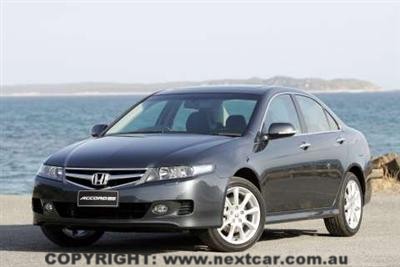
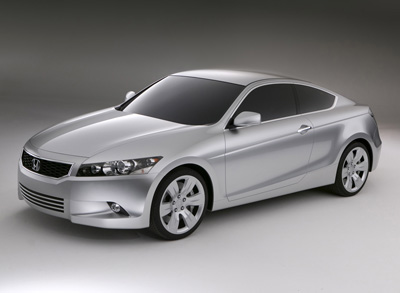
Honda Accord Full Specs Hot and Amazing Gallery Cars

Honda Accord
:
I think these pics are really good I love this car cya guys


Honda Accord
Best and Full

Honda Accord  Full Specs Hot and Amazing Gallery Cars
Honda Accord
Pictures Model Car


Honda Accord
Cool Pics

Honda Accord  Full Specs Hot and Amazing Gallery Cars
Honda Accord
New Model Photos


Honda Accord
More powerful cars
Honda Accord  Full Specs Hot and Amazing Gallery Cars
Honda Accord
Images


Honda Accord
:
I really love this car, will be my next investment


Honda Accord
Gallery pictures

Honda Accord  Full Specs Hot and Amazing Gallery Cars
Honda Accord
Cars Free Stock Images


Honda Accord
Top picture

Honda Accord  Full Specs Hot and Amazing Gallery Cars
Honda Accord
Cars Royalty Free Images


Honda Accord
Top speed and top price

Honda Accord  Full Specs Hot and Amazing Gallery Cars
Honda Accord
Car Pictures Gallery


Honda Accord
:
Every day that passes I have one of these: ( Will one day be mine:)


Honda Accord
Great photo

Honda Accord  Full Specs Hot and Amazing Gallery Cars
Honda Accord
Cars Stock Images


Honda Accord
Gallery pictures

Honda Accord  Full Specs Hot and Amazing Gallery Cars
Honda Accord
Cars Wallpapers


readmore...

Natural Gas Honda Civic Rolls Out

Honda assembly line workers in Greensburg, Indiana have reason to celebrate as the automaker launches the natural gas powered Honda Civic GX, representing the only natural gas passenger vehicle from a major manufacturer for the US market.

Honda assembly line workers in Greensburg, Indiana have reason to celebrate as the automaker launches the natural gas powered Honda Civic GX, representing the only natural gas passenger vehicle from a major manufacturer for the US market.


It isn’t a new vehicle for Honda as the Civic GX has been in production since 1998. But, it is new to the automaker’s Indiana plant, representing the only U.S. built natural gas vehicle that is currently being built in America by a major car manufacturer. Natural gas is abundantly available in the US and Canada, a clean burning “home grown” fuel.


Fifty State Legal, Generous Federal Tax Rebate Available


Last Wednesday, the first of what Honda hopes will be many Honda Civic GX units was rolled out, making it the cleanest internal combustion vehicle certified by the EPA. Certified for sale in all fifty states, owners of the Honda Civic GX are eligible for a $4,000 federal tax credit as a qualified alternative fuel vehicle. That will certainly help because with a base sticker price of $25,190 it carries an $8800 price premium over the base Honda Civic DX sedan with automatic transmission.


With a range of at least 220 miles and EPA fuel economy of 24 mpg city, 36 mpg highway the Civic GX is powered by a 113-hp, 1.8-Liter, 16-valve, I4 engine which is built at Honda’s engine plant in Anna, Ohio. The Civic GX has been on the market since 1998 and had previously been built at Honda’s East Liberty, Ohio plant prior to production being shifted to Honda’s newest American assembly plant, Greensburg.


Fifty Year Anniversary For Honda


2009 represents an important milestone year for the Japanese automaker as American Honda Motor Company, Inc. was established fifty years ago in 1959.  The U.S. was the first overseas market for Honda which also became the first Japanese car company to build cars in the United States when its Marysville, Ohio plant opened in 1982.


Today, Honda is the second largest Japanese car company, ahead of Nissan though well behind Toyota. However, the automaker continues to gain market share in the US as its major competitors continue to stumble.


Source: American Honda Motor Company, Inc.


Related — Honda Reverses Course, Embraces Hybrids Over Diesels


readmore...

Toyota releases new EX-grade second-gen Prius in Japan

Sometime in early 2008, about the time when it became clear that Honda was planning to price its then-upcoming Insight hybrid very aggressively, rumors began to circulate that following the release of the redesigned third-gen Prius, Toyota was considering continuing sales of a de-contented second-generation version in order to compete. Ultimately, Toyota confirmed that plan, although the decision was made to offer the old Prius only in Japan. That model, now labeled as the Prius EX, is going on sale in its home market – mostly to fleet customers – starting June 8.

The EX is only available in black, silver or white with a grey interior (the car shown above is a 2009 U.S. model, as Toyota has not released images of the new model). Dual stage airbags and air-conditioning are standard, but luxury items like hub caps and foglights will now be dealer-installed options. The base price of the Prius EX is about $19,700 at current exchange rates (1,890,000 yen, the exact same base price as the Honda Insight in Japan) and Toyota hopes to sell about 2,000 a month.

Toyota vice-president of communications, Irv Miller, explained to Autoblog that the company opted not to offer this model in the U.S. because updated on-board diagnostics regulations for 2010 would require a significant amount of software development, an investment that would likely negate any savings in offering the older model.
readmore...

No Automakers Meet Obama’s New Fuel Economy Standard [I Feel Gassy]

No Automakers Meet Obama’s New Fuel Economy Standard [I Feel Gassy]The just-announced fuel economy policy changes demand 42 MPG for cars and 27 MPG for light trucks. A look at the data shows not a single automaker currently meets the new guidelines proposed today.


Using the Model-Year 2009 Fleet Fuel Economy standards provided by the National Highway Safety Transportation Administration (NHTSA), we determined the current ratings for passenger cars and light trucks and compared them to the goal for each of the greater automakers selling cars in the U.S. A few automakers, probable KIA and Hyundai, report their given conditions separately since of a different ownership arrangement. We also took a look at what barriers exist for them reaching those standards.


No Automakers Meet Obama’s New Fuel Economy Standard [I Feel Gassy]


BMW


2009 Fleet Fuel Economy Rating: 27.5 MPG
Distance From 2016 Fleet Fuel Economy Rating: -14.5 MPG
2009 Light Truck Fleet Fuel Economy Rating: 23.1 MPG
Distance From 2016 Light Truck Fuel Economy Rating: -3.9 MPG
Barriers To Meeting New Fuel Economy Ratings: BMW currently offers no hybrid or electric vehicles and, as a matter of practice, has been increasing displacement not decreasing it. The use of diesel engines is a step in the right direction but they’re source behind where they destitution to be.


No Automakers Meet Obama’s New Fuel Economy Standard [I Feel Gassy]


Chrysler


2009 Fleet Fuel Economy Rating: 28.3 MPG
Distance From 2016 Fleet Fuel Economy Rating: -13.7 MPG
2009 Light Truck Fleet Fuel Economy Rating: 23.9 MPG
Distance From 2016 Light Truck Fuel Economy Rating: -3.1 MPG
Barriers To Meeting New Fuel Economy Ratings: Chrysler’s biggest problem, in general, is the lack of appealing small cars with good fuel economy. Lacking any realistic vehicle put on the horizon, the Chrysler-FIAT deal was envisioned to solve this issue. Let’s see how that works out for them.


No Automakers Meet Obama’s New Fuel Economy Standard [I Feel Gassy]


Daimler


2009 Fleet Fuel Economy Rating: 27.5 MPG
Distance From 2016 Fleet Fuel Economy Rating: -14.5 MPG
2009 Light Truck Fleet Fuel Economy Rating: 20.6 MPG
Distance From 2016 Light Truck Fuel Economy Rating: -6.4 MPG
Barriers To Meeting New Fuel Economy Ratings: Mercedes-Benz may have to reconsider its policy of bringing over G-wagens and GL-wagens if it doesn’t want to pay a refine, as the light truck numbers are low. The company has hinted at a smaller, possibly marked by electricity, model to bring up the average mileage but how many electric smarts do you need to overweigh an AMG G55?


No Automakers Meet Obama’s New Fuel Economy Standard [I Feel Gassy]


Ford


2009 Fleet Fuel Economy Rating: 31.1 MPG (excluding foreign import)
Distance From 2016 Fleet Fuel Economy Rating: -10.9 MPG
2009 Light Truck Fleet Fuel Economy Rating: 24.7 MPG
Distance From 2016 Light Truck Fuel Economy Rating: -2.3 MPG
Barriers To Meeting New Fuel Economy Ratings: Ford sells a lot of trucks. Despite fluctuations in combustibles prices, the F-Series is bread + butter in favor of the company. The adding of EcoBoost should help propel passenger vehicles to a higher overall value, and rumors of similar turbo’ed engines in the pickups should help as abundantly.


No Automakers Meet Obama’s New Fuel Economy Standard [I Feel Gassy]


GM


2009 Fleet Fuel Economy Rating: 31.3 MPG (excluding foreign import)
Distance From 2016 Fleet Fuel Economy Rating: -10.7 MPG
2009 Light Truck Fleet Fuel Economy Rating: 22.5 MPG
Distance From 2016 Light Truck Fuel Economy Rating: -4.5 MPG
Barriers To Meeting New Fuel Economy Ratings: Barriers? What Barriers? The Volt will save everything… right? GM could be a victim of its own success if it turns out they start selling far more Camaros than hybrids and other fuel efficient vehicles.


No Automakers Meet Obama’s New Fuel Economy Standard [I Feel Gassy]


Honda


2009 Fleet Fuel Economy Rating: 36.5 MPG
Distance From 2016 Fleet Fuel Economy Rating: -5.5 MPG
2009 Light Truck Fleet Fuel Economy Rating: 26.2 MPG
Distance From 2016 Light Truck Fuel Economy Rating: -0.8 MPG
Barriers To Meeting New Fuel Economy Ratings: Honda typically ranks highest amidst brands, with equal reason they’re doing pretty well. But maybe now we know why they keep delaying the NSX.


No Automakers Meet Obama’s New Fuel Economy Standard [I Feel Gassy]


Hyundai


2009 Fleet Fuel Economy Rating: 33.2 MPG
Distance From 2016 Fleet Fuel Economy Rating: -8.8 MPG
2009 Light Truck Fleet Fuel Economy Rating: 25.7 MPG
Distance From 2016 Light Truck Fuel Economy Rating: -1.3 MPG
Barriers To Meeting New Fuel Economy Ratings: Unlike most Asian brands, Hyundai has picked up steam through moving away from greener vehicles. WIll the Genesis sedan and coupe cut into the gains made by their dinky little Korean hatches?


No Automakers Meet Obama’s New Fuel Economy Standard [I Feel Gassy]


Kia


2009 Fleet Fuel Economy Rating: 33.7 MPG
Distance From 2016 Fleet Fuel Economy Rating: -8.3 MPG
2009 Light Truck Fleet Fuel Economy Rating: 24.4 MPG
Distance From 2016 Light Truck Fuel Economy Rating: -2.6 MPG
Barriers To Meeting New Fuel Economy Ratings: Kia has human being big barrier to better fuel economy and it’s the Kia Borrego. Since not any some seems to want the $40K truck we don’t see Kia having a hard time satirical it out of the lineup.


No Automakers Meet Obama’s New Fuel Economy Standard [I Feel Gassy]


Mazda


2009 Fleet Fuel Economy Rating: 32.2/31.0 MPG (Import/Domestic)
Distance From 2016 Fleet Fuel Economy Rating: -9.8 MPG/11 MPG
2009 Light Truck Fleet Fuel Economy Rating: 26.6 MPG
Distance From 2016 Light Truck Fuel Economy Rating: -0.4 MPG
Barriers To Meeting New Fuel Economy Ratings: The only hybrid vehicle in the Mazda lineup is a rebadged Ford Escape and, so far as we know, diesel hasn’face to face been considered an option. While the Mazda3 gets good mileage it’s at all times placed Zoom-Zoom over glug-glug.


No Automakers Meet Obama’s New Fuel Economy Standard [I Feel Gassy]


Mitsubishi


2009 Fleet Fuel Economy Rating: 29.5 MPG
Distance From 2016 Fleet Fuel Economy Rating: -12.5 MPG
2009 Light Truck Fleet Fuel Economy Rating: 26.1 MPG
Distance From 2016 Light Truck Fuel Economy Rating: -0.9 MPG
Barriers To Meeting New Fuel Economy Ratings: The single saving grace for Mitsubishi, as it languishes in the U.S., is the iMiev full of fire car. But can the company produce enough electrics and hold outright long enough to make it economically feasible?


No Automakers Meet Obama’s New Fuel Economy Standard [I Feel Gassy]


Nissan


2009 Fleet Fuel Economy Rating: 30.1/34.0 MPG (Import/Domestic)
Distance From 2016 Fleet Fuel Economy Rating: -11.9 MPG/ 8.0 MPG
2009 Light Truck Fleet Fuel Economy Rating: 23.5 MPG
Distance From 2016 Light Truck Fuel Economy Rating: -3.5 MPG
Barriers To Meeting New Fuel Economy Ratings: Nissan has built a reputation around their VQ V6 and don’t seem intent on taking it out of somewhat of their vehicles. To balance this, they’ll try to use the Nissan Cube and other small cars, but they’ll have to do more fully than the also-ran Sentra


No Automakers Meet Obama’s New Fuel Economy Standard [I Feel Gassy]


Porsche


2009 Fleet Fuel Economy Rating: 27.0 MPG
Distance From 2016 Fleet Fuel Economy Rating: -15.0 MPG
2009 Light Truck Fleet Fuel Economy Rating: 19.3 MPG
Distance From 2016 Light Truck Fuel Economy Rating: -7.7 MPG
Barriers To Meeting New Fuel Economy Ratings: Porsche has historically been more content to pay fees than reform their ways given they’re a work brand. The lucrative Cayenne, as well, presents a challenge. They could combine with VW to raise the Porsche medium, but at the price of lowering VW’s.


No Automakers Meet Obama’s New Fuel Economy Standard [I Feel Gassy]


Subaru


2009 Fleet Fuel Economy Rating: 29.0 MPG
Distance From 2016 Fleet Fuel Economy Rating: -13.0 MPG
2009 Light Truck Fleet Fuel Economy Rating: 28.4 MPG
Distance From 2016 Light Truck Fuel Economy Rating: -1.4 MPG
Barriers To Meeting New Fuel Economy Ratings: Subaru builds cars disproportionately more fun than you’d look forward to and the popularity of vehicles preference the WRX and the lack of a small, under-powered economy car is a threat to the brand’s overall mileage. Could we see the return of the Justy hatchback?


No Automakers Meet Obama’s New Fuel Economy Standard [I Feel Gassy]


Suzuki


2009 Fleet Fuel Economy Rating: 32.7 MPG
Distance From 2016 Fleet Fuel Economy Rating: -9.3 MPG
2009 Light Truck Fleet Fuel Economy Rating: 25.7 MPG
Distance From 2016 Light Truck Fuel Economy Rating: -1.3 MPG
Barriers To Meeting New Fuel Economy Ratings: The current Suzuki lineup is such random and confusing it’s hard to know where they could doings. With the affront of the SX4 and Grand Vitara there aren’t any products with much note recognition. Just scrap the whole thing and gain us the Cappuccino.


No Automakers Meet Obama’s New Fuel Economy Standard [I Feel Gassy]


Toyota


2009 Fleet Fuel Economy Rating: 38.1/35.9 MPG (Import/Domestic)
Distance From 2016 Fleet Fuel Economy Rating: -3.9 MPG/6.1 MPG
2009 Light Truck Fleet Fuel Economy Rating: 25.8 MPG
Distance From 2016 Light Truck Fuel Economy Rating: -1.2 MPG
Barriers To Meeting New Fuel Economy Ratings: Unless Toyota discontinues the Prius and decides to frame the Tacoma V8-only, the automaker is moving in the right direction. Let’s just hope this doesn’t torpedo plans for a unused Supra although we fear it might.


No Automakers Meet Obama’s New Fuel Economy Standard [I Feel Gassy]


VW


2009 Fleet Fuel Economy Rating: 30.2 MPG
Distance From 2016 Fleet Fuel Economy Rating: -11.8 MPG
2009 Light Truck Fleet Fuel Economy Rating: 23.9 MPG
Distance From 2016 Light Truck Fuel Economy Rating: -3.1 MPG
Barriers To Meeting New Fuel Economy Ratings: Volkswagen’s greatest environmental asset is the TDI engine. It’s greatest weakness is the haughty price of diesel fuel and the possibility of Americans turning on their technology. The greatest barrier on the horizon is Porsche, so we have power to’t imagine them combining.


Conclusion


Not a single automaker popularly meets 2016 standards for combustible matter economy. In passenger cars, only Toyota and Honda, who have larger fleets of fuel-efficient cars are less than 10 MPG not present from the proposed standards. This means companies will each have to radically alter their lineups, reduce the production of vehicles we actually want to drive, or invest heavily in choice propulsion systems at a time when their involving death is severely constrained. Good hazard with that! Appliance vehicles, here we advance!


No Automakers Meet Obama’s New Fuel Economy Standard [I Feel Gassy]


No Automakers Meet Obama’s New Fuel Economy Standard [I Feel Gassy]


No Automakers Meet Obama’s New Fuel Economy Standard [I Feel Gassy]

readmore...

/